Rapid DC Chargers
3 products
Showing 1 - 3 of 3 products
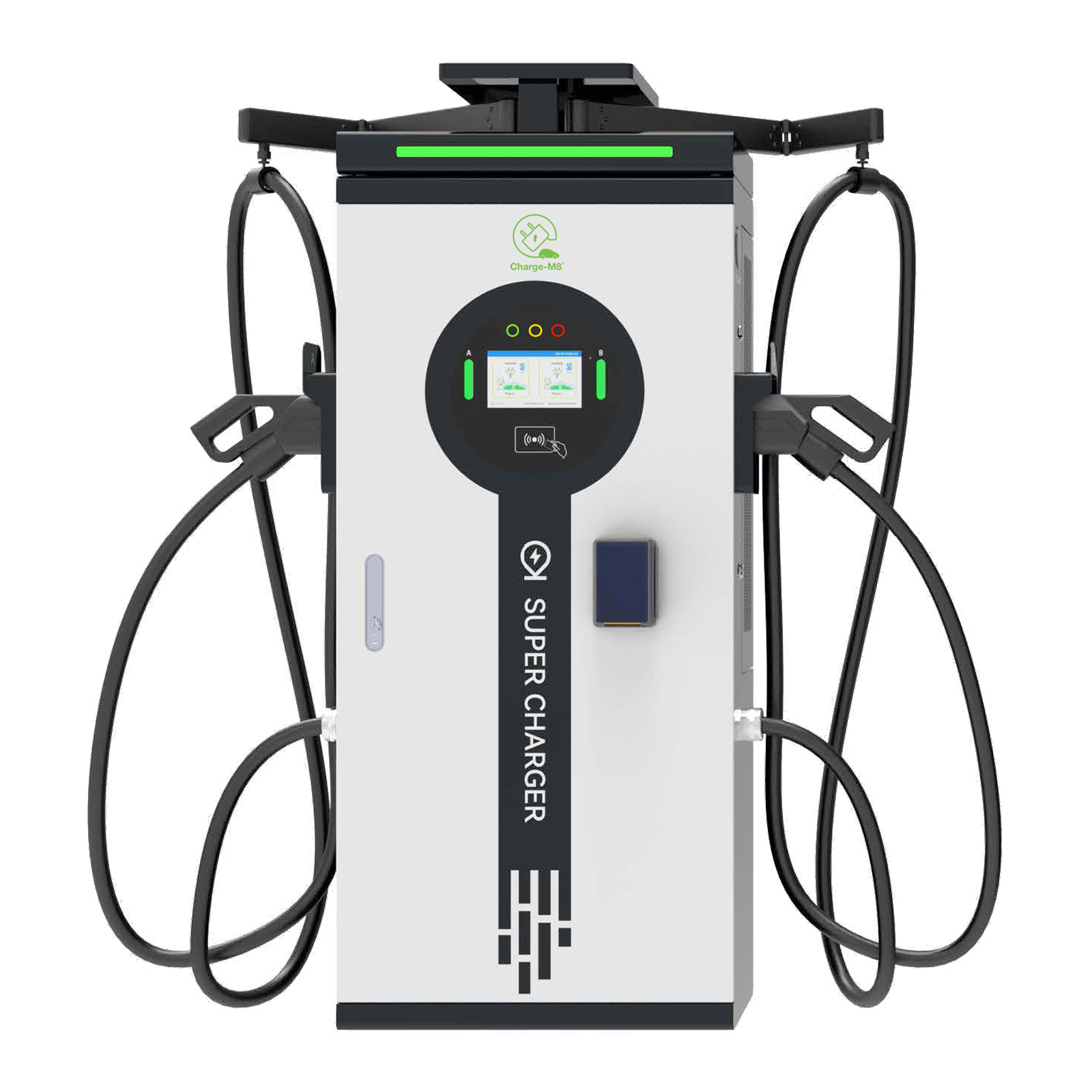
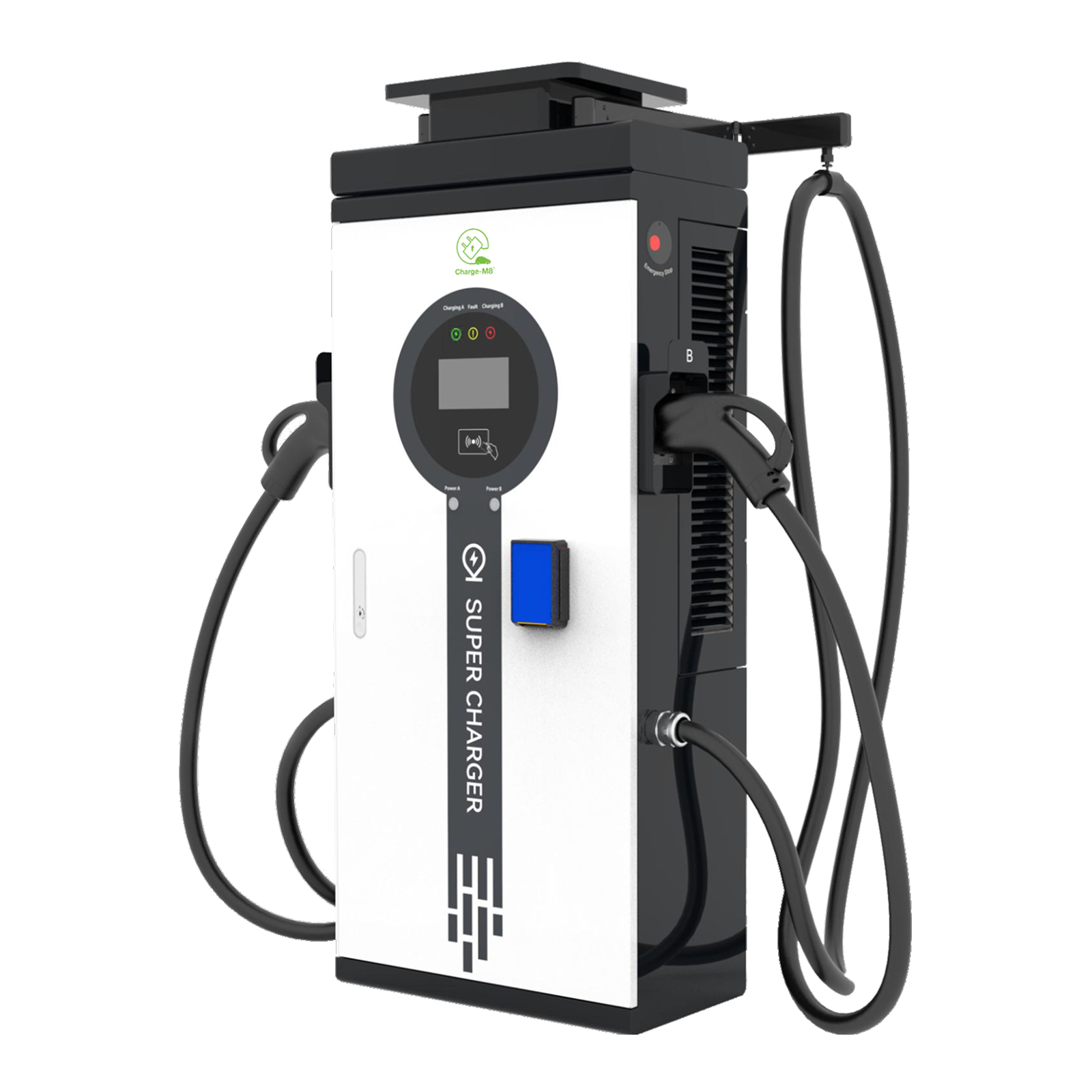
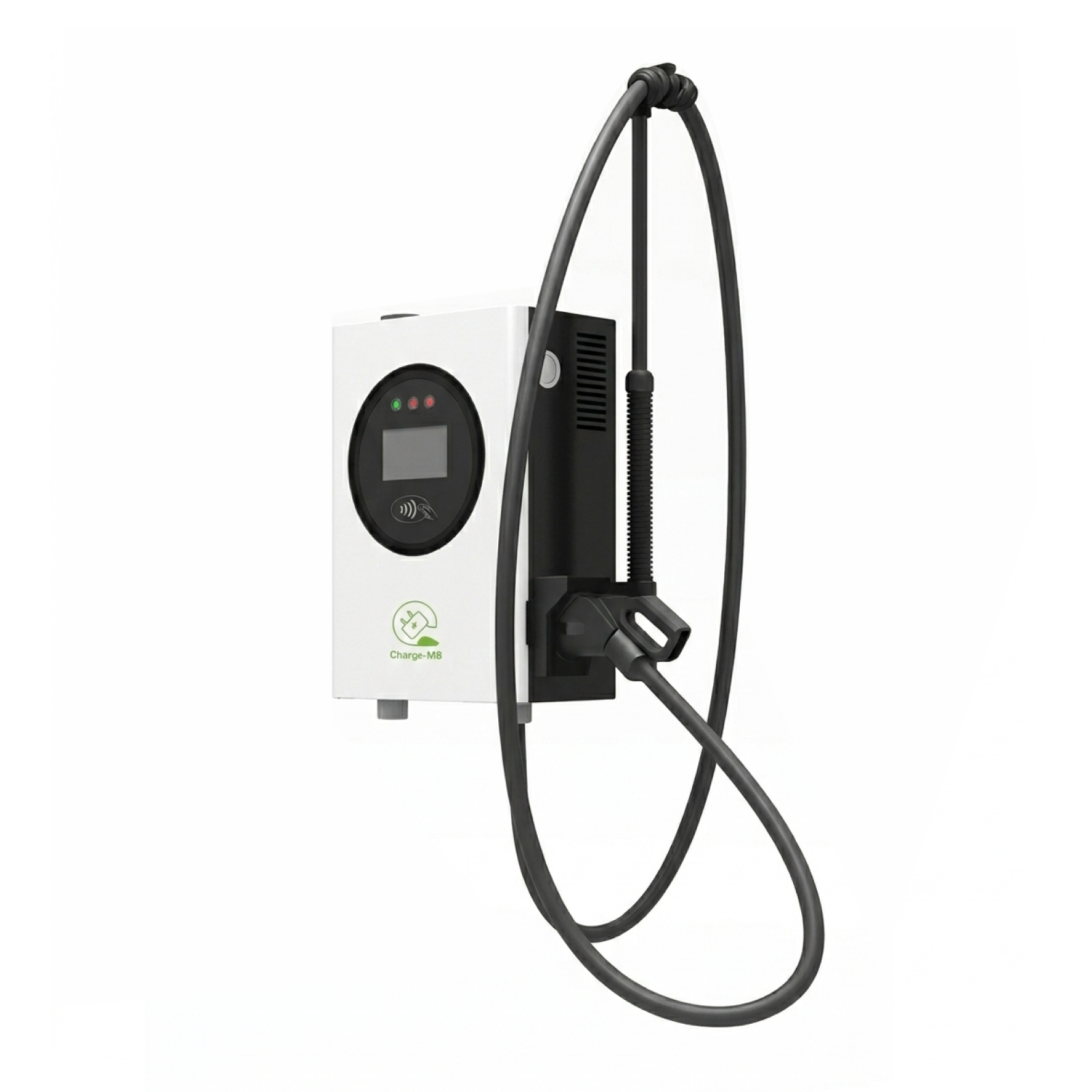
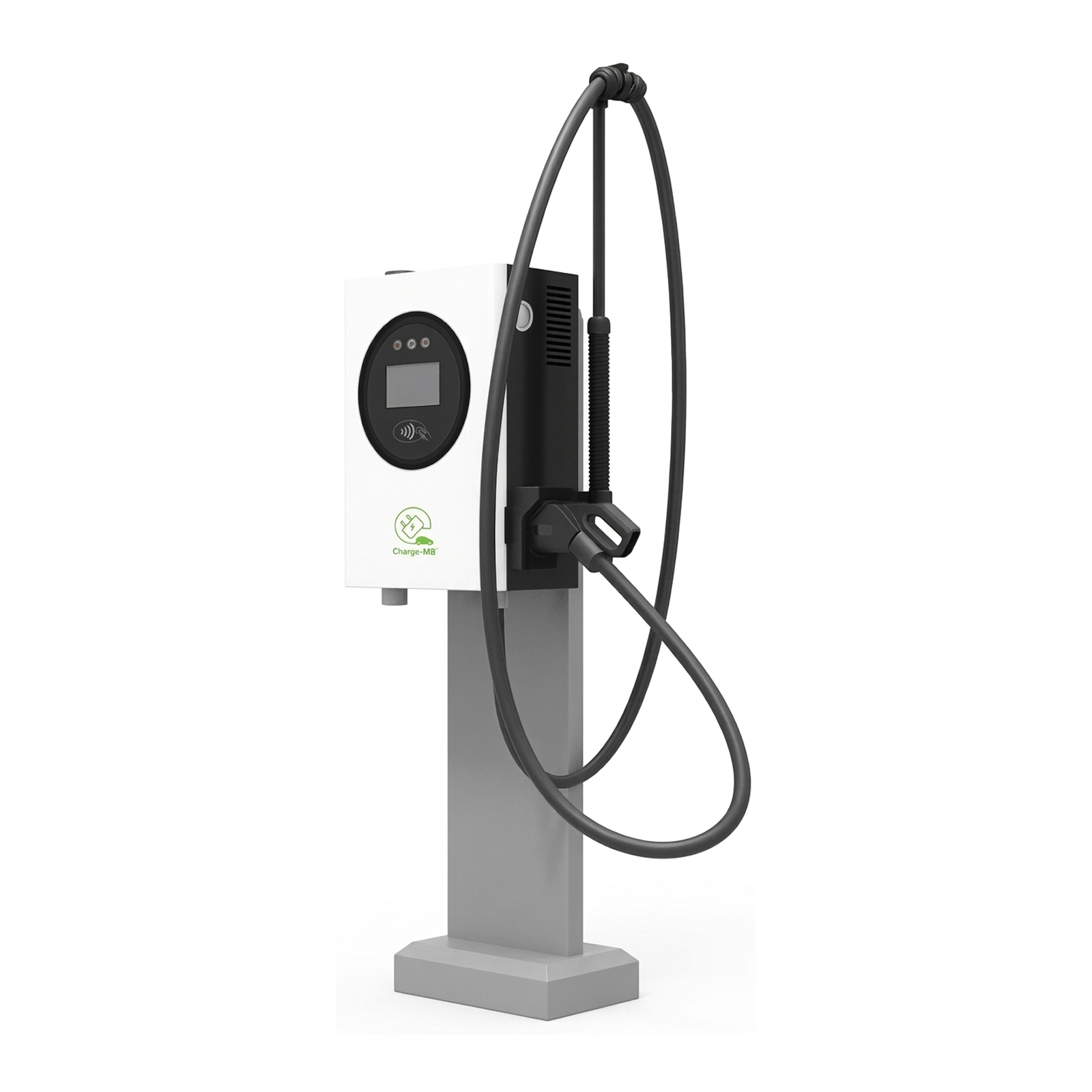
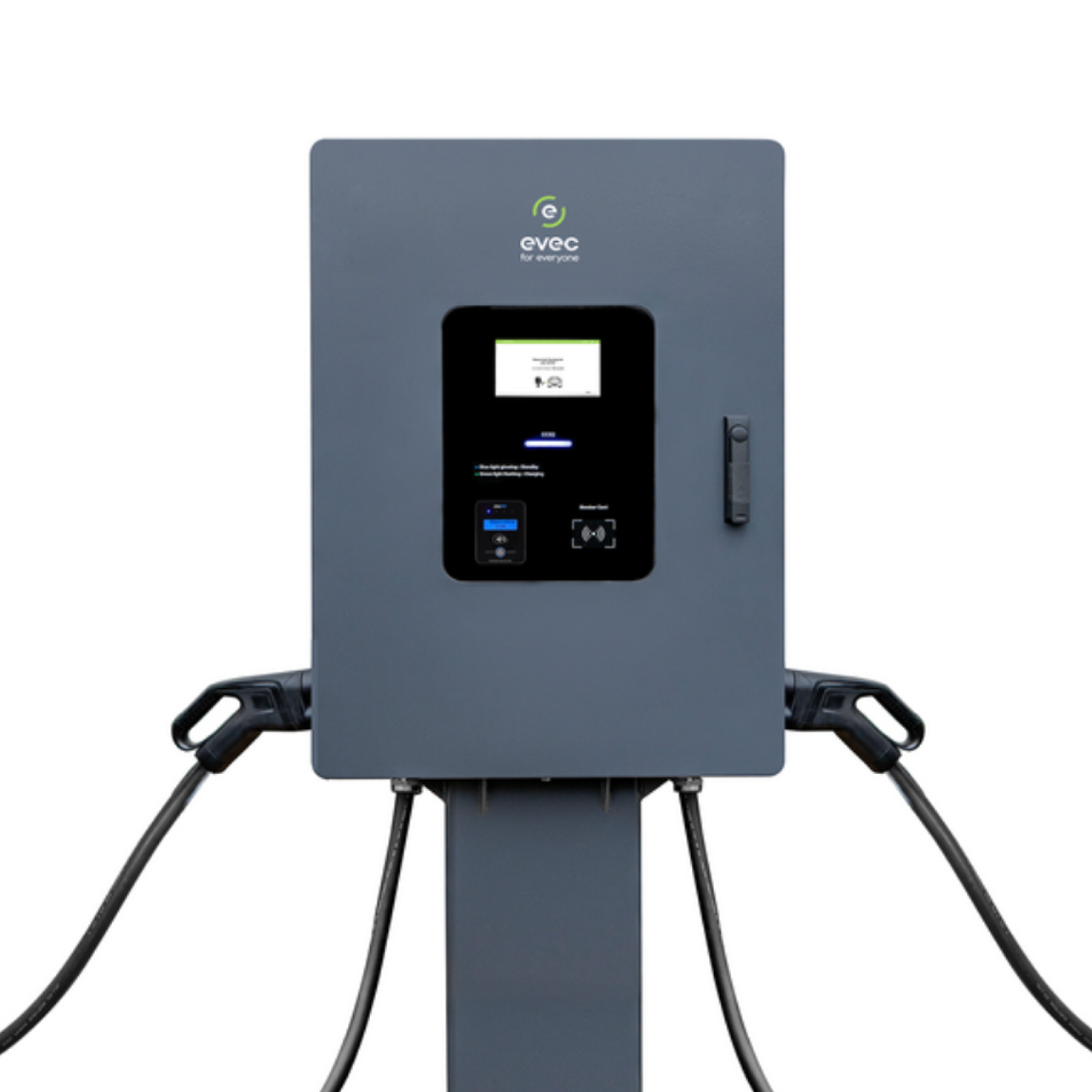
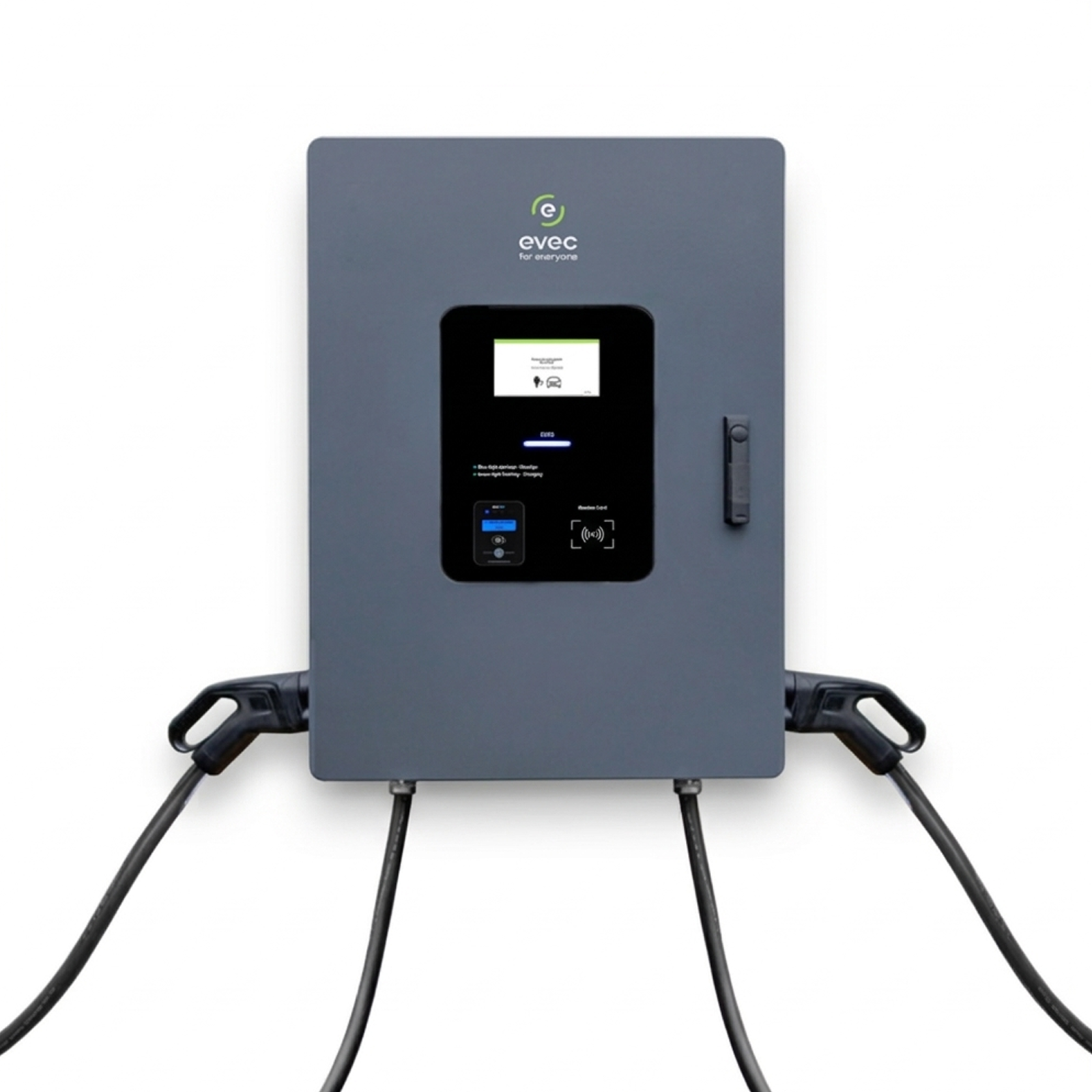
Rapid DC chargers convert to DC inside the unit and feed the battery directly, delivering in 30 minutes what an AC charger takes hours to do. We stock 3 rapid DC chargers from £6,890: the Charge-M8 Omega 30kW single gun (£6,890), the Evec vecBOLT Duo 40kW dual gun with a payment terminal built in (£10,500) and the Charge-M8 Omega 60kW dual gun (£13,338). All use CCS2 connectors with OCPP 1.6, 4G and touchscreen interfaces, built for public sites, forecourts and fleet depots. Free UK delivery.
Single Gun Rapid Chargers / Dual Gun Rapid Chargers / 22kW Commercial Chargers / Payment Systems
What is a rapid DC charger?
An AC charger passes alternating current to the car and relies on the vehicle's onboard charger to convert it, which caps the speed at whatever that onboard unit can handle — usually 7kW or 11kW. A DC rapid charger does the conversion itself and feeds the battery directly, bypassing that limit. That is why a 30kW DC unit adds range roughly four times faster than a 7kW AC charger, and a 60kW unit eight times faster. The trade-off is cost and electrical supply: DC hardware is an order of magnitude more expensive and needs capacity to match.
How much does a rapid DC charger cost?
The Charge-M8 Omega 30kW single gun is £6,890, the Evec vecBOLT Duo 40kW dual gun with integrated payment terminal is £10,500 and the Charge-M8 Omega 60kW dual gun is £13,338, all including free UK delivery. Budget separately for the electrical supply, groundworks and commissioning — on a rapid installation these often exceed the cost of the unit itself, particularly if the site needs a supply upgrade from the DNO. Get the supply capacity checked before committing to a power rating.
Do I need rapid DC or will 22kW AC do?
It comes down to how long vehicles stay. If they are parked for hours — workplaces, hotels, long-stay car parks, residential developments — a 22kW AC charger at a fraction of the price fills the battery comfortably and is almost always the better investment. Rapid DC earns its cost where dwell time is short: forecourts, retail sites where visitors stay 30 to 45 minutes, fleet depots turning vehicles round between shifts, and destination charging on through routes. Installing DC where AC would do is the most common and most expensive mistake on this page.
What is the difference between single gun and dual gun?
A single gun charger serves one vehicle at a time; a dual gun serves two, either simultaneously with power shared between them or sequentially at full power, depending on the unit. Dual is the better value per charging point on any site with real traffic, since one installation, one supply connection and one set of groundworks covers two bays. Single gun makes sense as a first rapid charger where demand is still unproven, or where the available supply cannot support more. See single gun and dual gun models.
Can I charge drivers to use a rapid charger?
Yes — and on rapid hardware you almost certainly should, given the capital involved. The Evec vecBOLT Duo has a Payter payment terminal built in, so drivers tap a card at the unit with no app or account. The Charge-M8 Omega units support OCPP 1.6, so they can be run through a back office with payment handled separately, or paired with a standalone terminal from our commercial payment systems range. Card payment consistently outperforms app-based access on public sites, because a first-time visitor can use it without preparation.
What connector do rapid DC chargers use?
All three units use CCS2, the standard DC fast-charging connector on virtually every new EV sold in the UK and Europe. CCS2 combines the Type 2 AC connector with two additional DC pins, so a driver plugs one connector in and the charger handles the rest. Older CHAdeMO vehicles — mainly earlier Nissan Leafs — use a different connector and will not charge from a CCS2-only unit, which is worth considering if your site serves an older fleet. For those vehicles, AC charging remains the fallback.