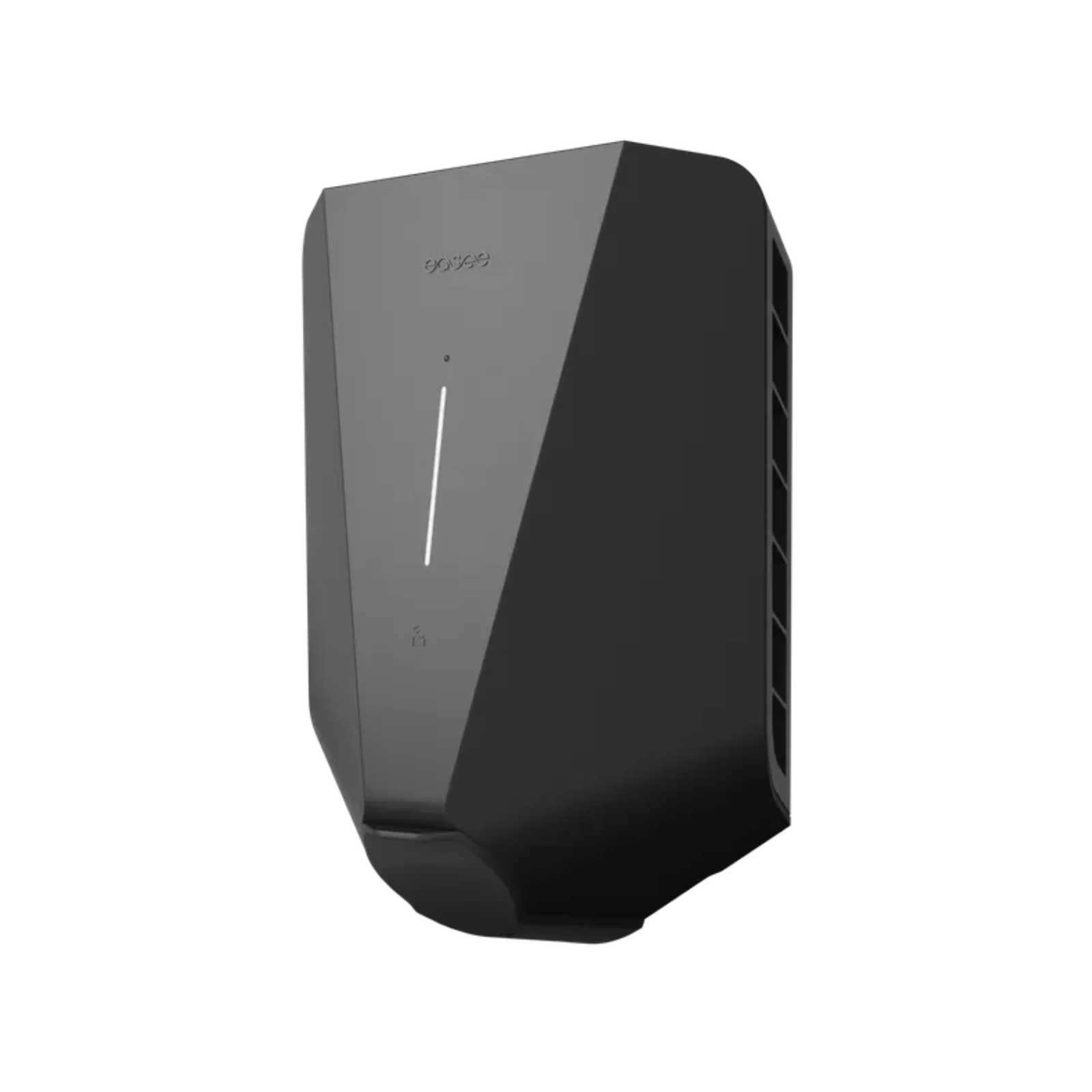
Easee EV chargers pair Scandinavian design with one of the smallest footprints on the market — and a modular system that scales from a single driveway to a car park without changing hardware. We stock 17 Easee products: the Easee One 7kW untethered (£482), the Easee 22kW untethered (£688) and the Easee Charge Pro 22kW (£940), plus Equalizers for load balancing, mounting posts for one, two or four chargers, ground mount bases, cable holders, colour front covers and RFID keys from £7. All Easee chargers are OZEV approved and grant eligible, with free UK delivery.
We stock three Easee chargers. The Easee One 10523 (£482) is the 7kW single-phase home charger — the model most UK households fit, and one of the smallest smart chargers available at roughly the size of a hardback book. The Easee 10243 (£688) is the 22kW three-phase version for workplaces and homes with a three-phase supply. The Easee Charge Pro 10263 (£940) is the commercial-grade 22kW unit built for shared and public sites. All three are untethered with a Type 2 socket, so drivers use their own cable and the charger works with any EV.
How much do Easee EV chargers cost?
The Easee One 7kW is £482, the Easee 22kW untethered £688 and the Easee Charge Pro 22kW £940, all including free UK delivery. That puts the Easee One squarely mid-market alongside the Pod Point Solo 3S (£465) and Ohme ePod (£496), and below premium design brands such as Andersen. With the OZEV grant applied, an eligible household can take up to £350 off the installed cost. Budget for accessories too if you are fitting more than one unit — an Equalizer is usually needed for load balancing, and mounting posts start at £325 where there is no suitable wall.
What is the difference between the Easee One and the Charge Pro?
The Easee One is the home charger: 7kW single phase, app controlled, with the same compact body as the rest of the range. The Easee Charge Pro is the commercial unit — 22kW three phase, built for sites where multiple chargers share one supply and sessions need to be authorised and recorded. The straight Easee 22kW (£688) sits between them, giving three-phase speed without the full commercial feature set. For a single home on a standard single-phase supply, the One is the correct choice; 22kW is only usable if the property actually has a three-phase supply.
What is an Easee Equalizer and do I need one?
The Equalizer is Easee's load balancing device. It reads the total current the property is drawing and tells the charger to back off when the rest of the building is under load, so the main fuse never trips — which is what allows a full-power charger to be fitted where the supply would not otherwise take one. It is also what makes dynamic load sharing work across multiple Easee chargers. We stock the 100A single phase Equalizer at £160, the 100A three phase at £495 and the 500A three phase at £690. See our full load management range.
Can several Easee chargers be installed together?
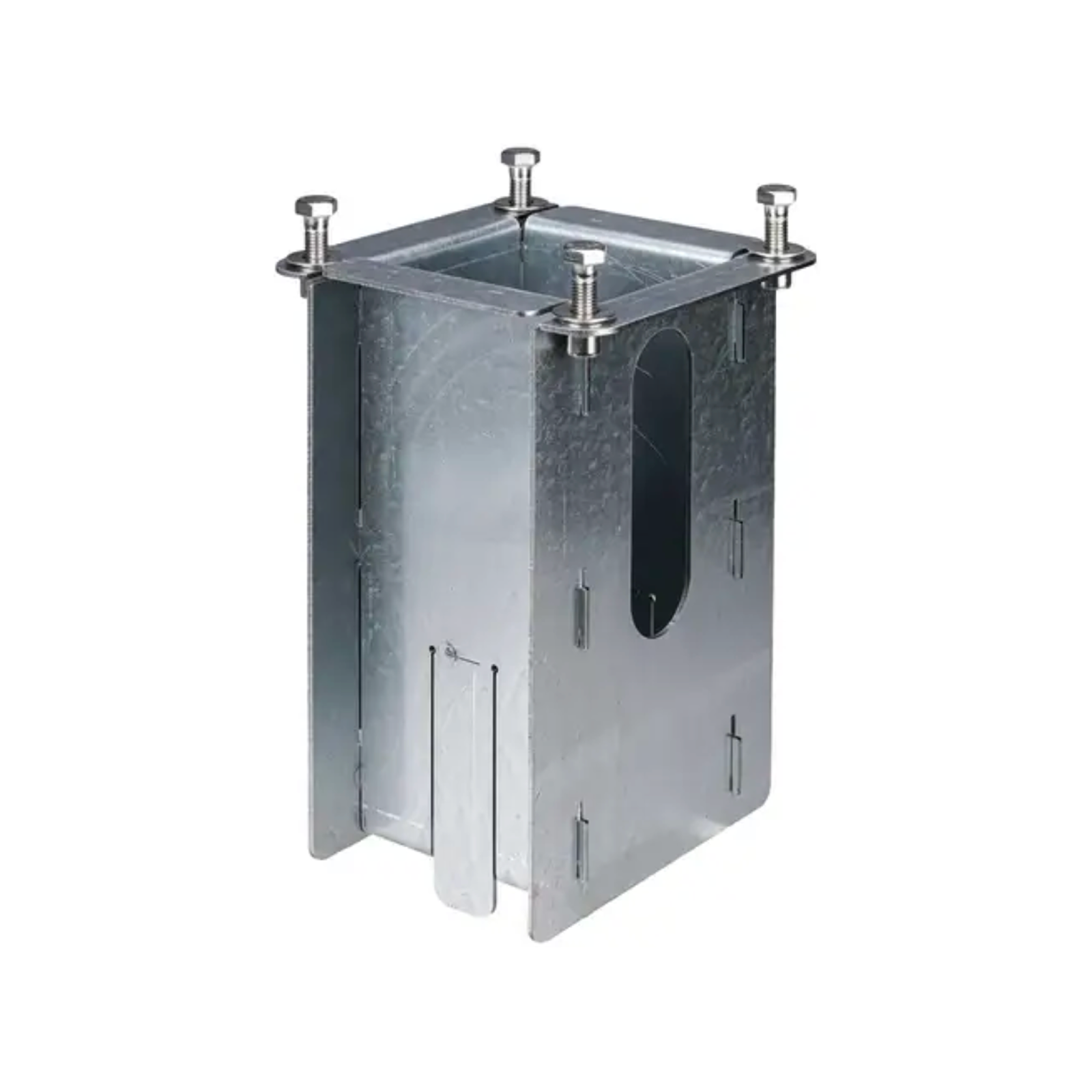
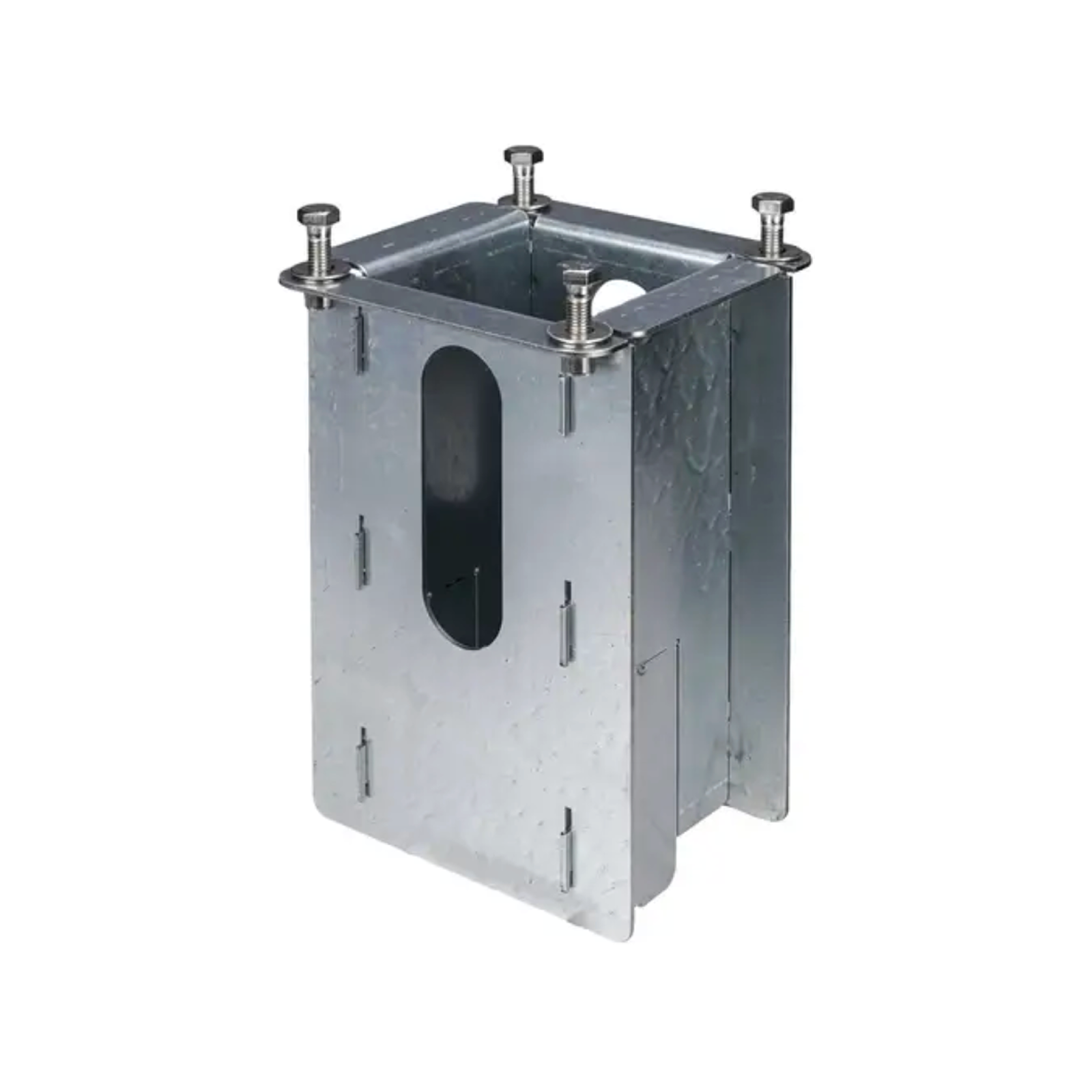
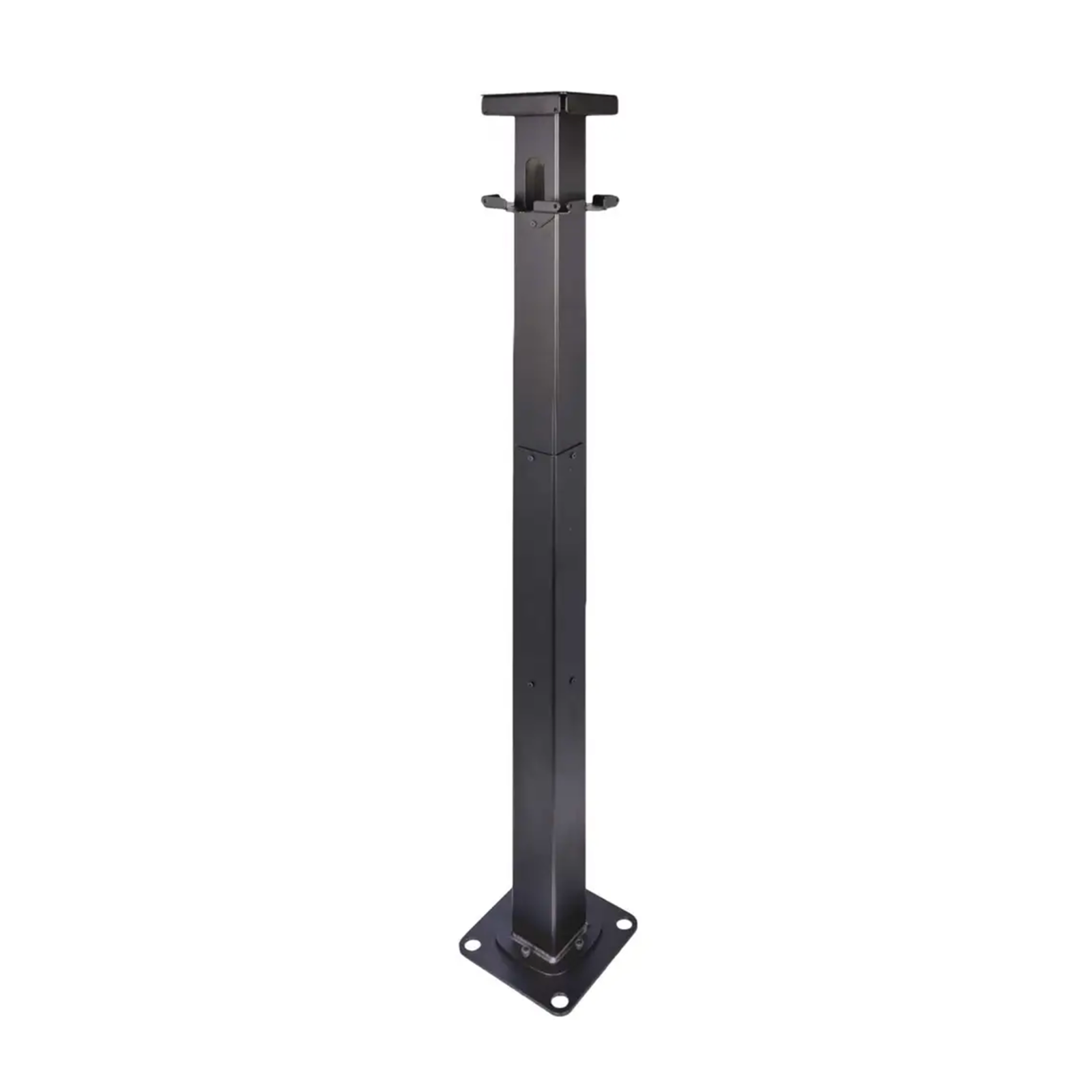
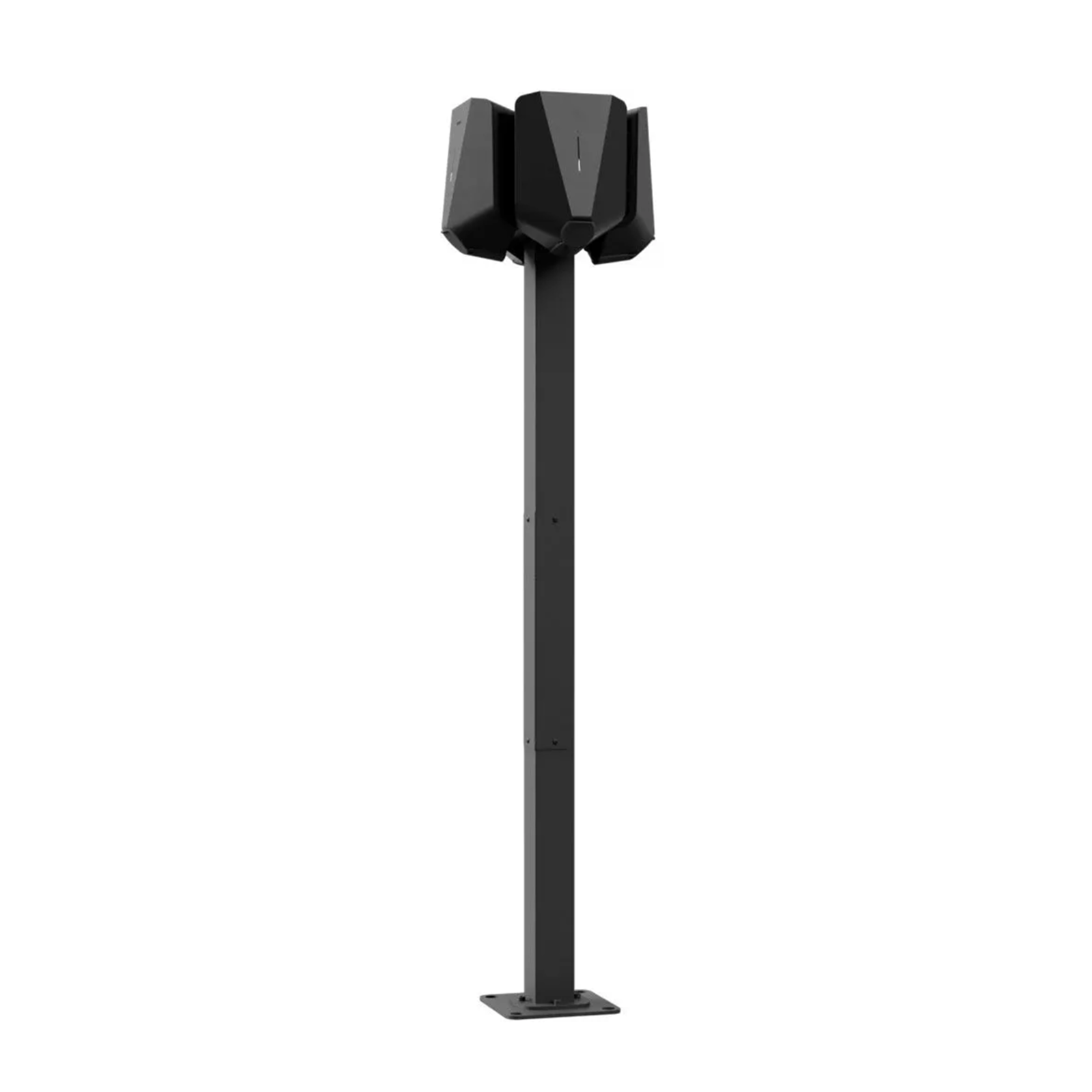
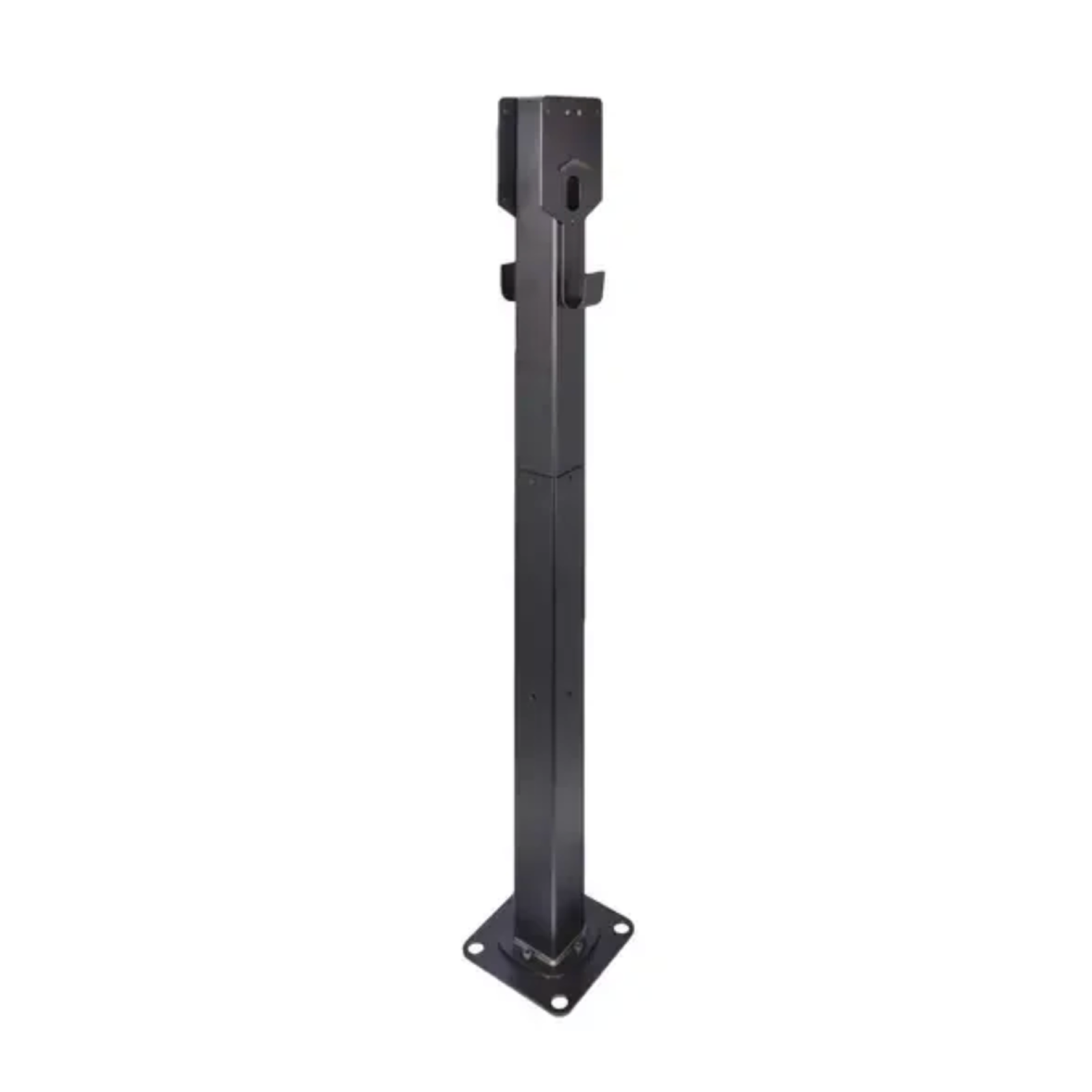
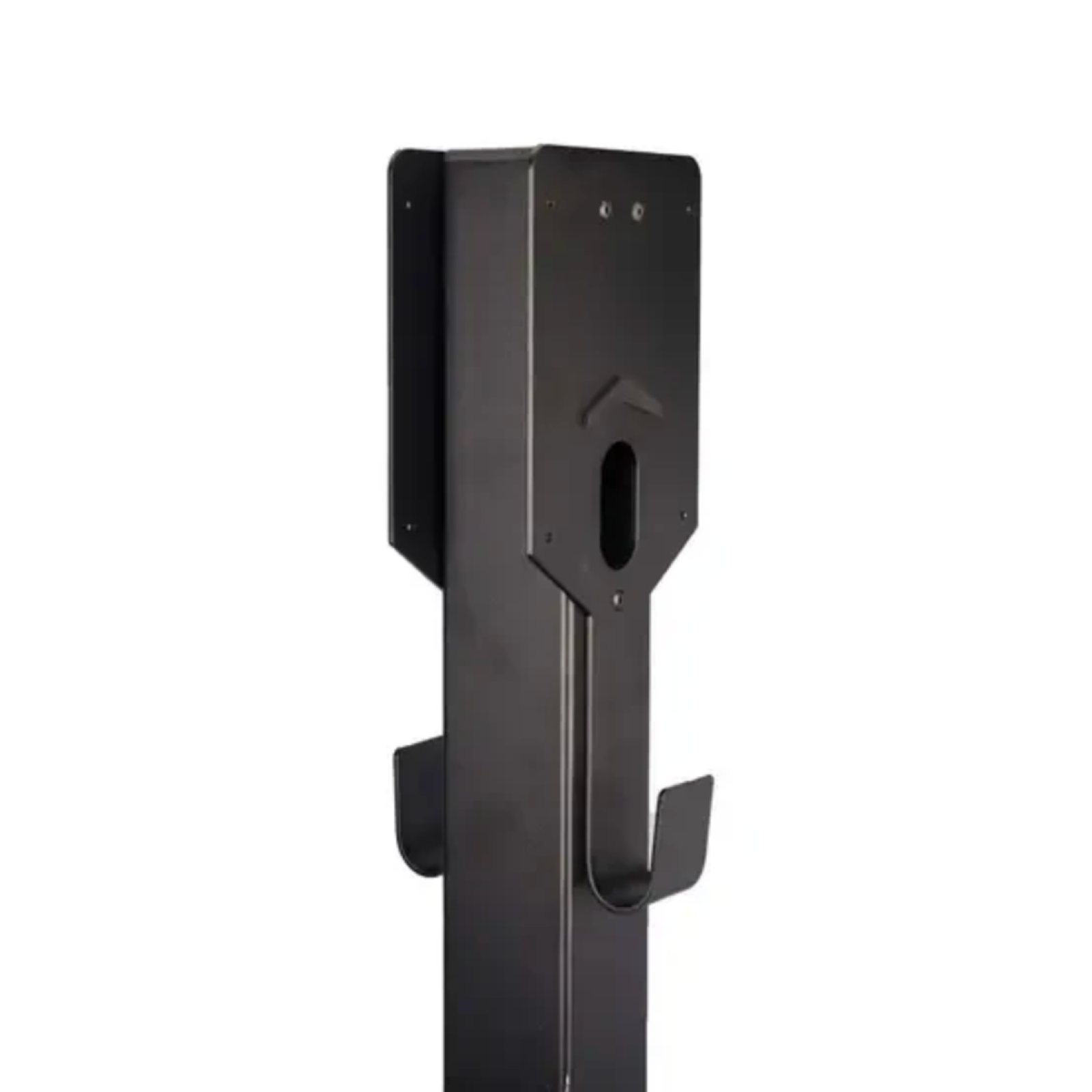
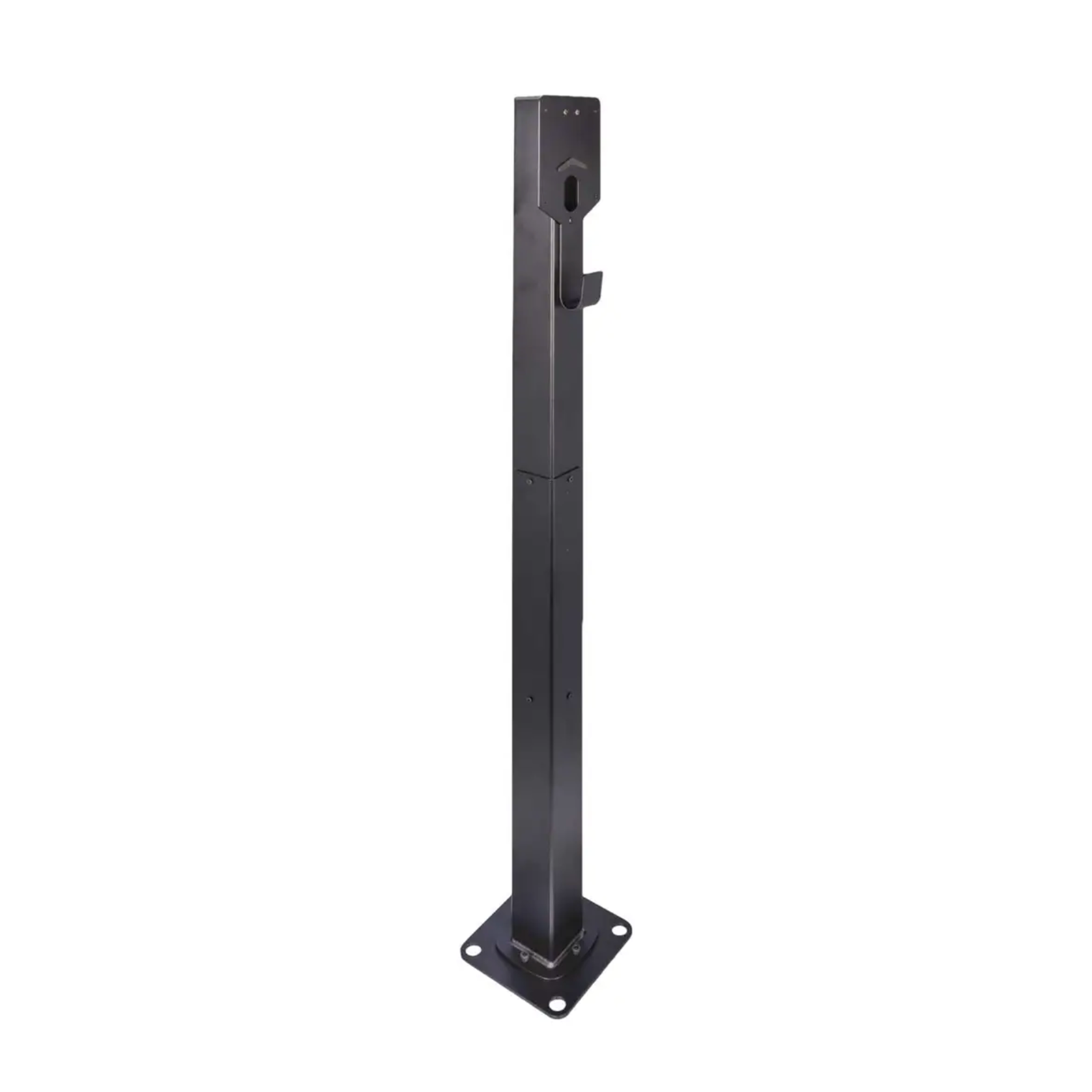
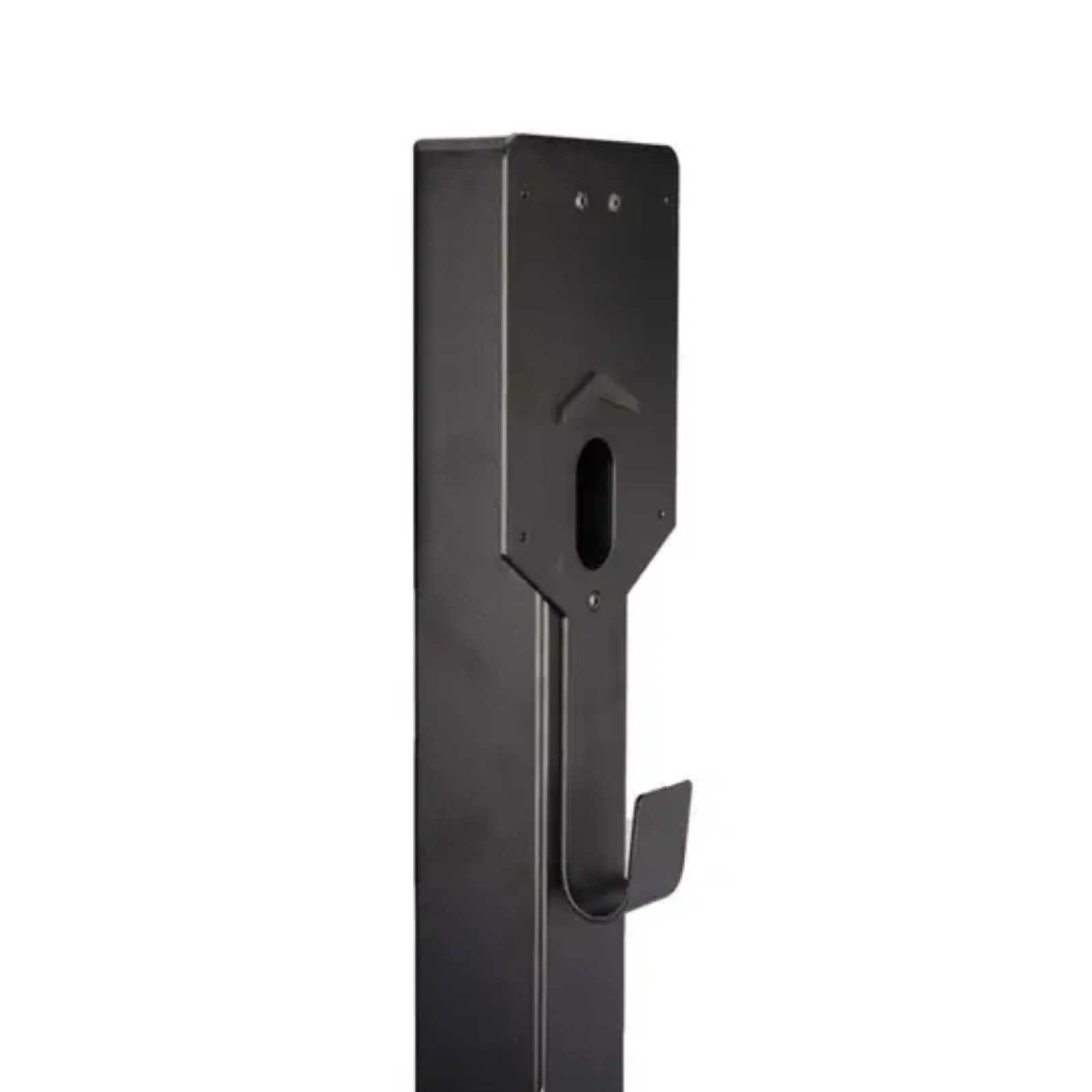
Yes — this is where Easee is strongest. Chargers link together and share the available capacity between them automatically, so a car park or a multi-bay development can run several units on one supply without each needing its own dedicated capacity. For siting, we stock Easee mounting posts for one charger (£325), two (£345) or four (£419), plus a ground mount base at £110 and a mounting plate at £76. For mixed-brand sites, the e.Park Multi Post range also carries Easee units, including a version with a hatch sized for the Easee Power Rail.
What accessories are available for Easee chargers?
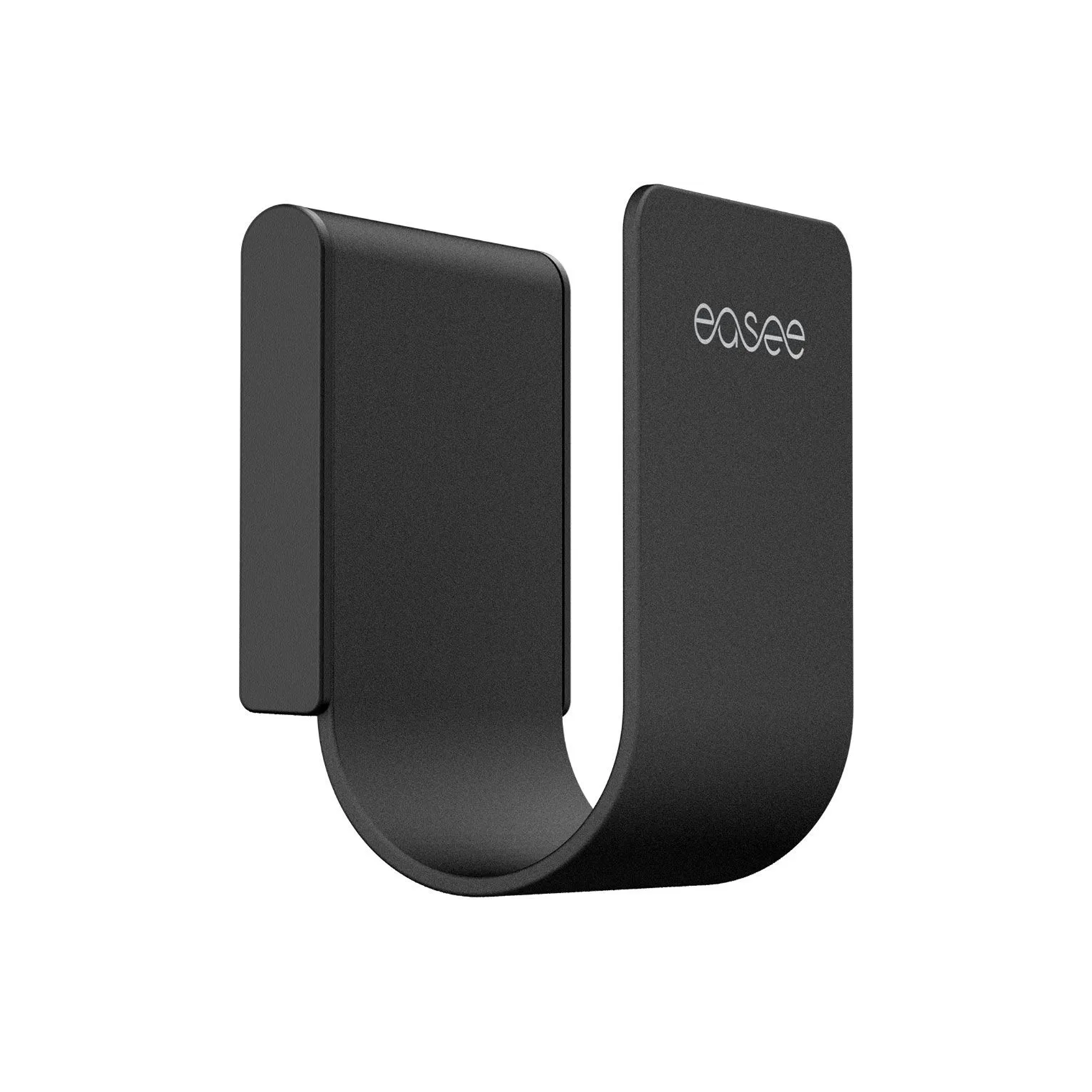
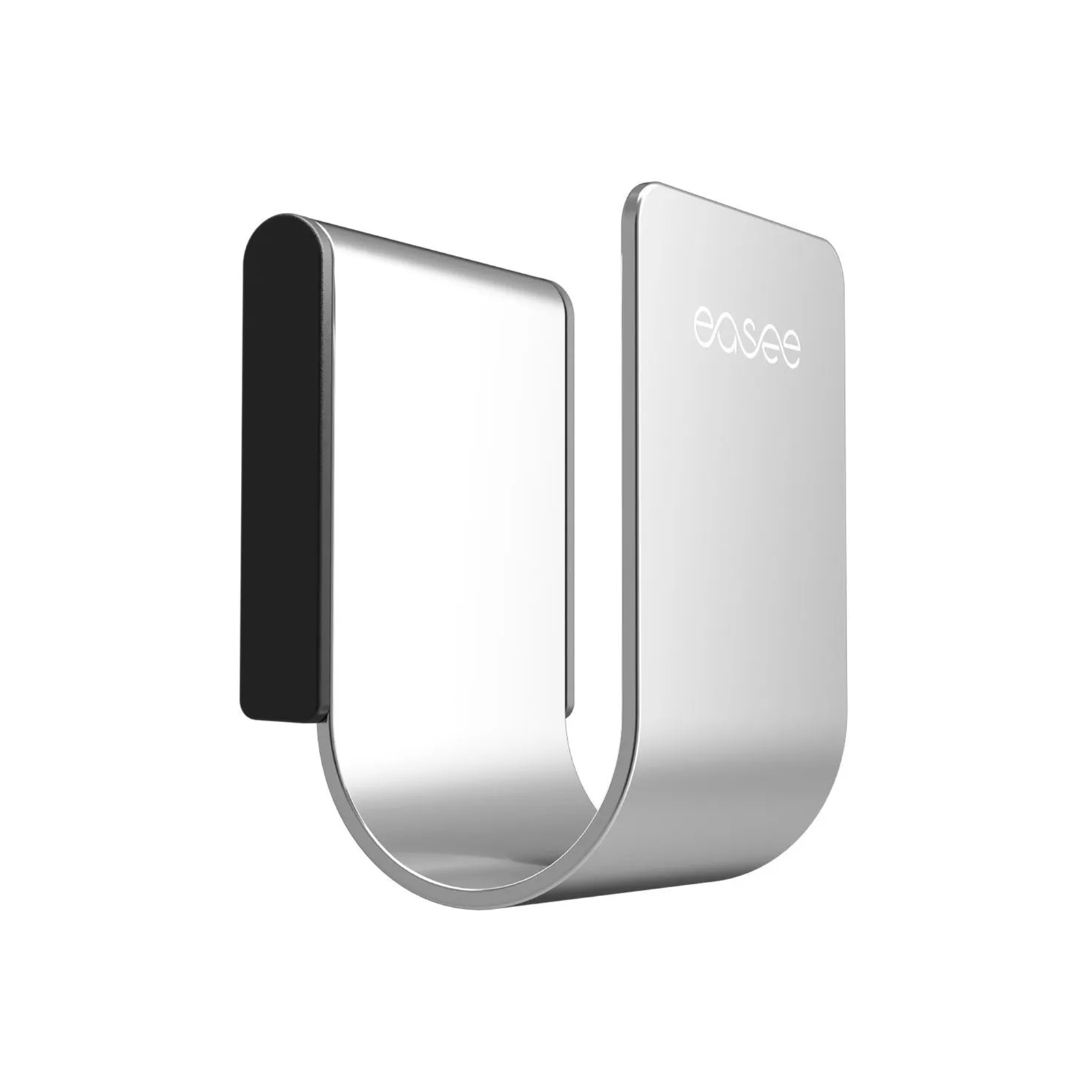
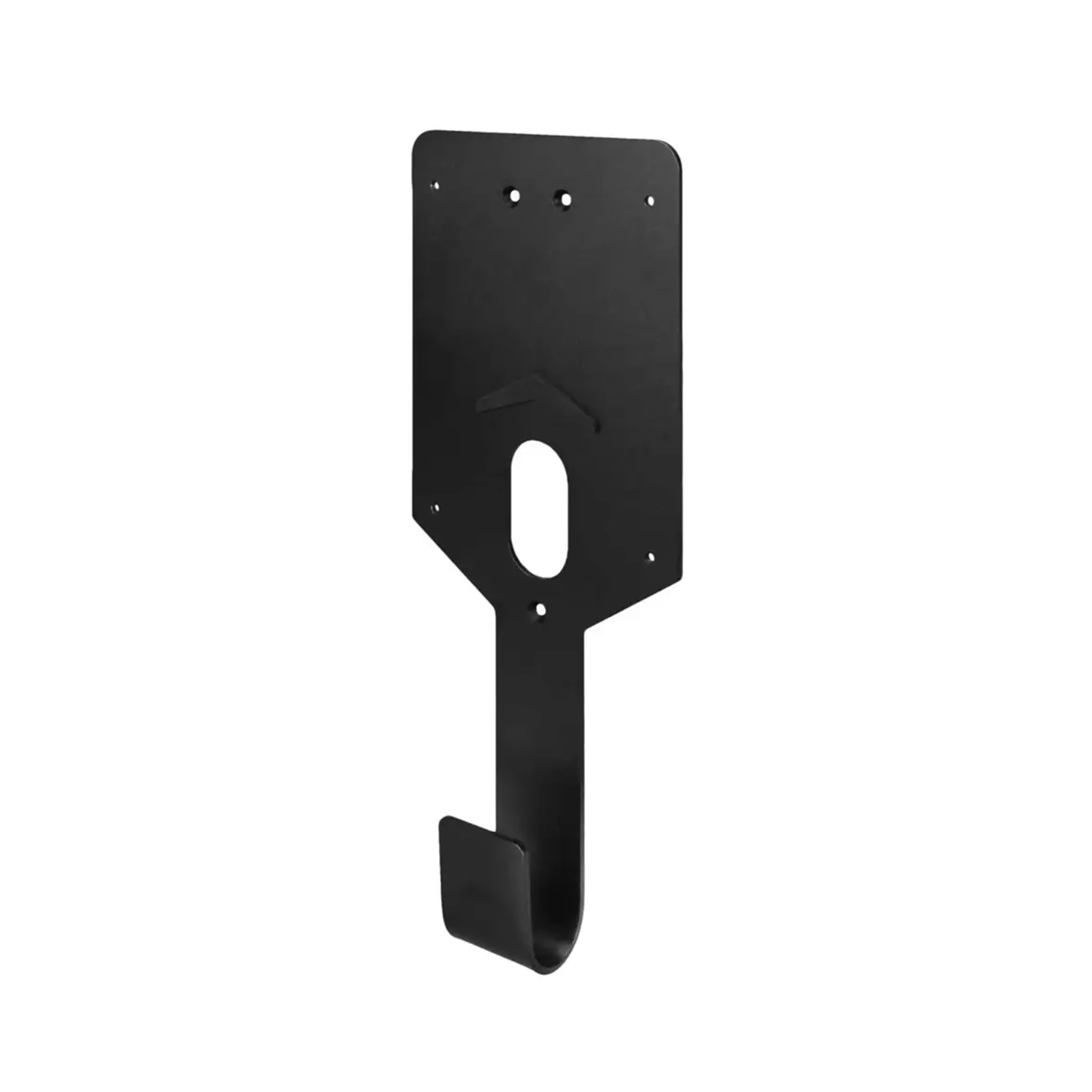
Easee accessories cover most of what an installation needs. Front covers come in five colours at £42 so the charger can be matched to the property, and a cover cap is £15. Cable holders keep the lead off the ground — the black U-hook is £40 and the premium version £55. RFID keys from £7 control who can start a charge on a shared unit. There is also a 7.5m Type 2 charging cable at £225 that works on both single and three-phase supplies. Browse all EV charger accessories.