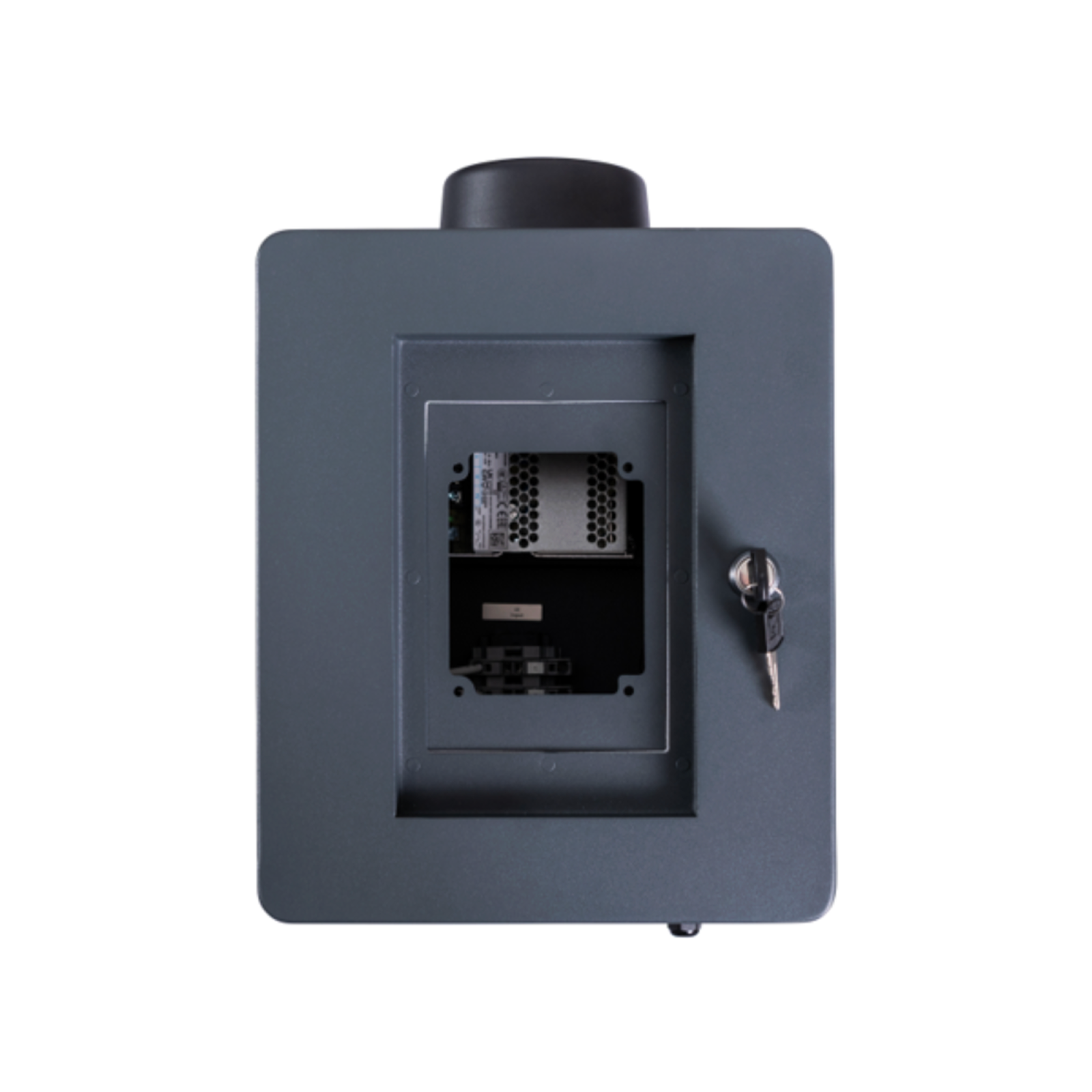
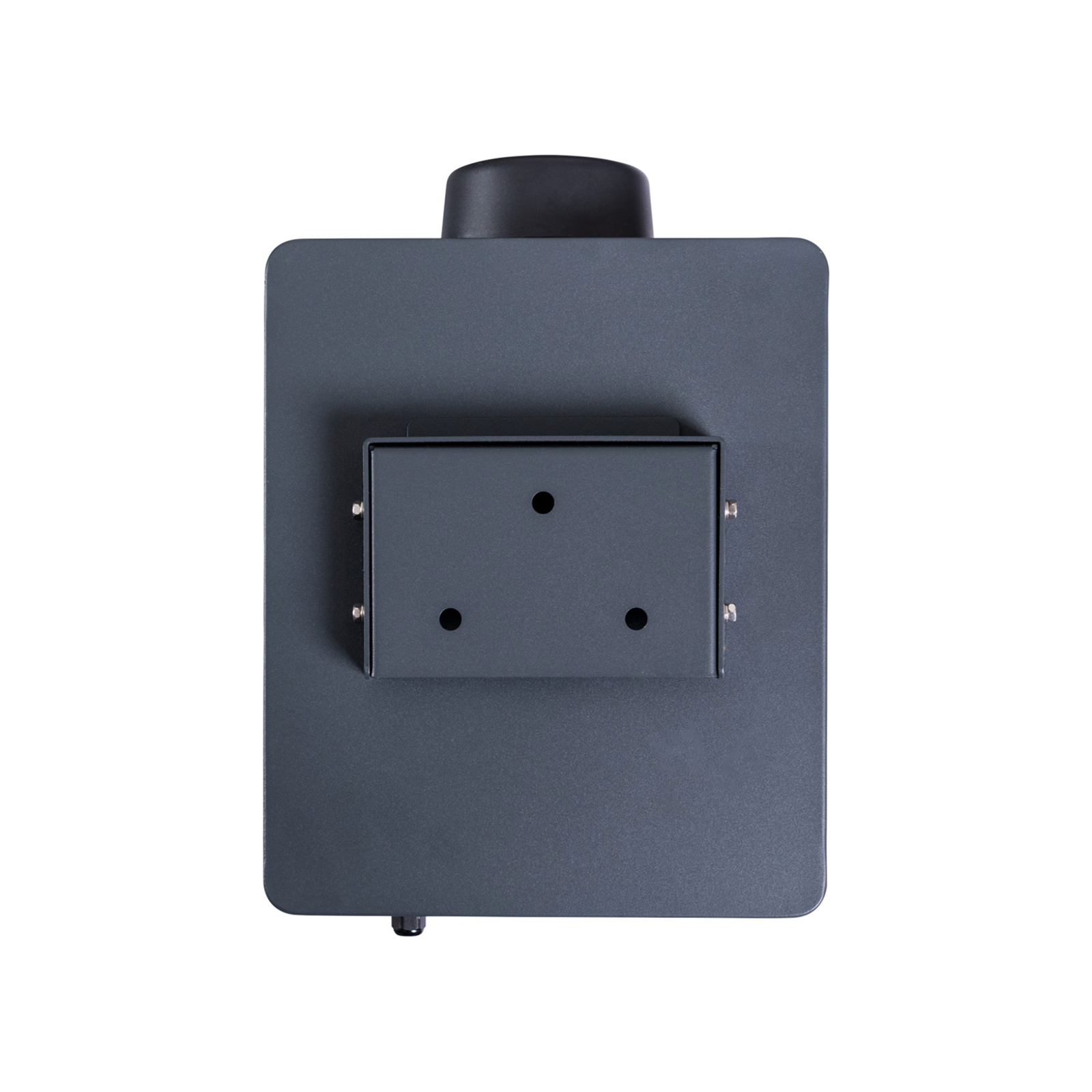
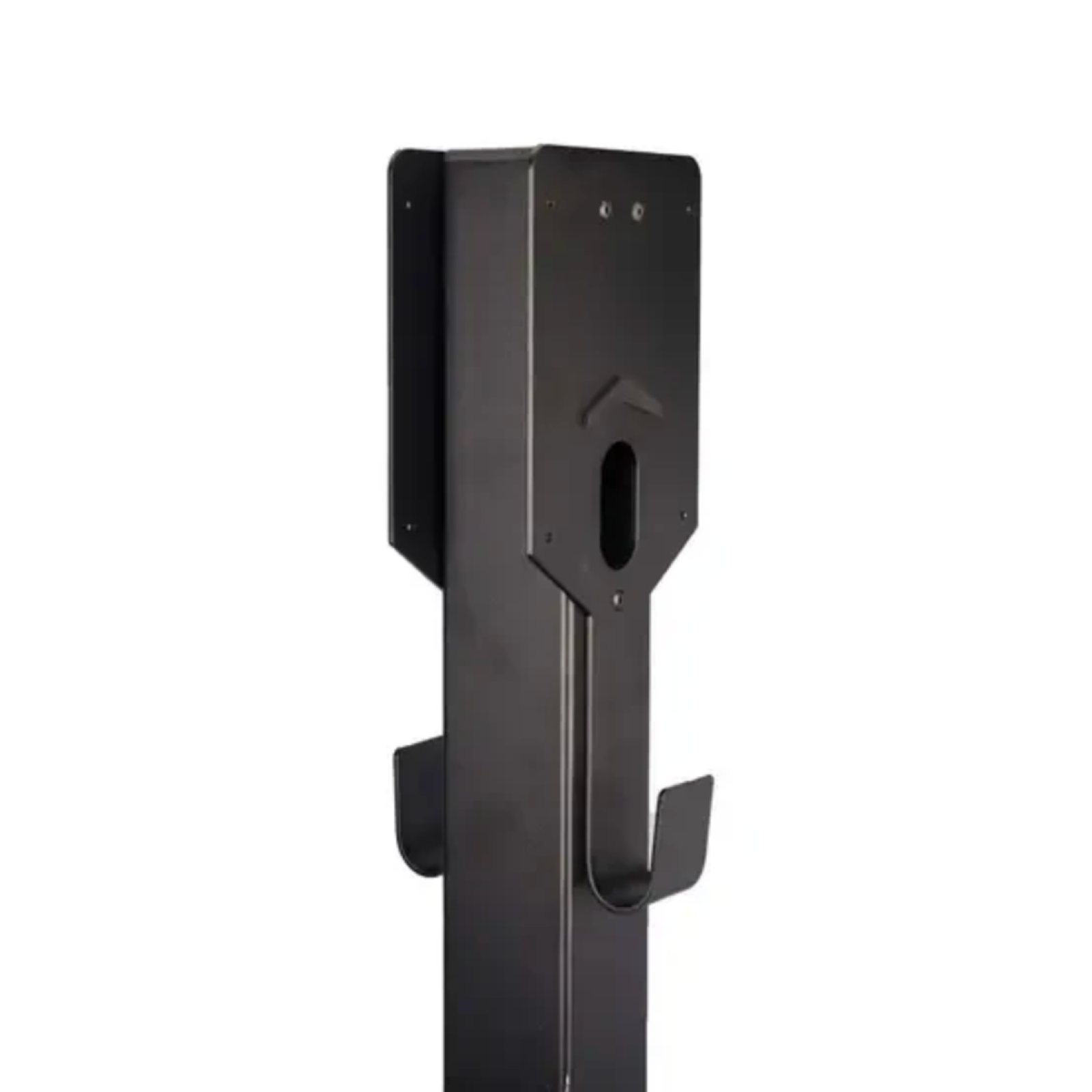
EV charger mounts and posts are what you need when there is no wall where the car parks — or no wall in the right place. We stock 21 products covering the whole job: ground-mounted charging posts for single, dual and back-to-back installations from £240, charger-specific mounting plates from £45, ground bases and pre-cast foundations from £110, and payment posts for card terminals. Brands include e.Park, Easee, Evec and Charge-M8, most UK-made in 304 stainless steel with weatherproof powder-coated finishes. Free UK delivery.
What is the difference between a post, a mount and a foundation?
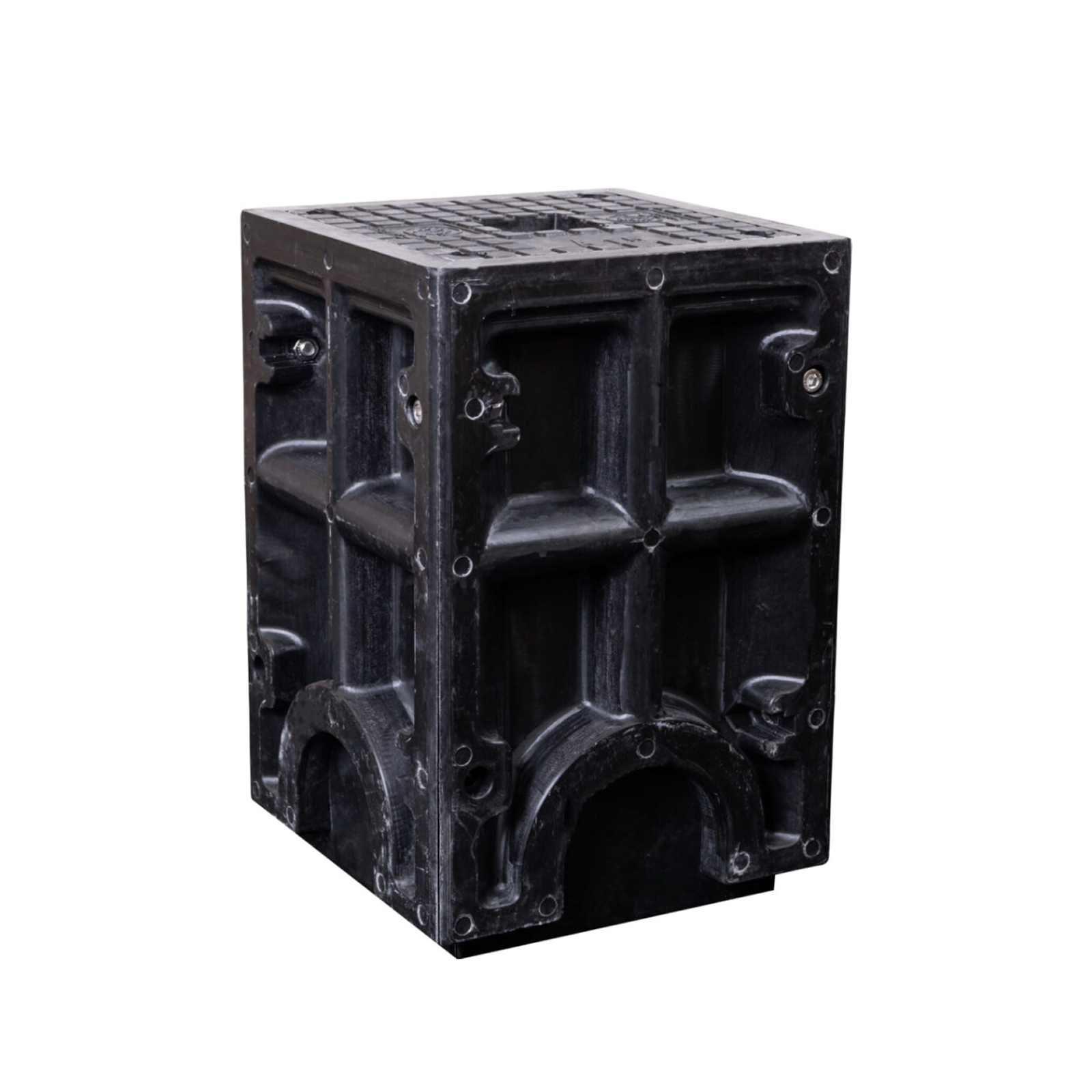
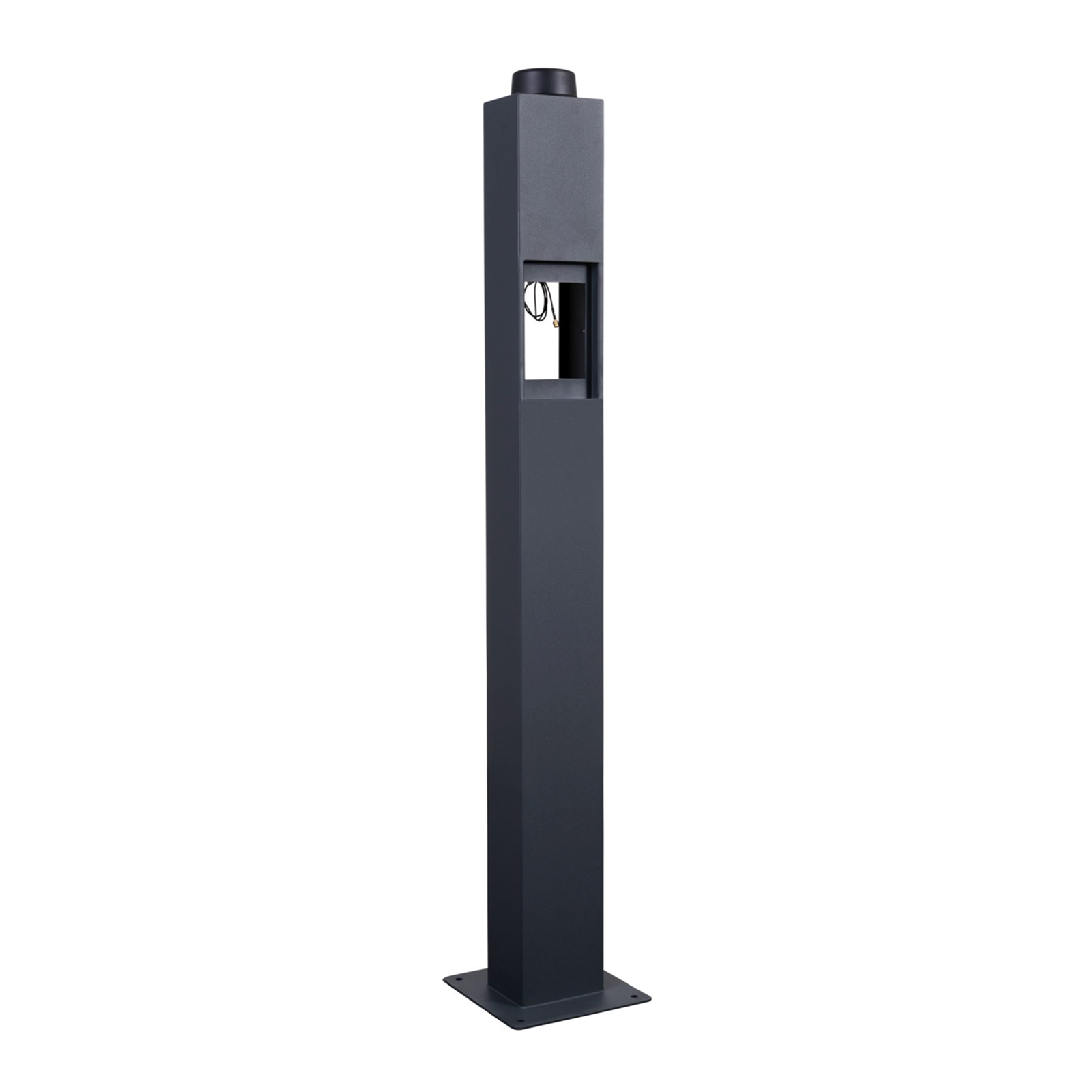
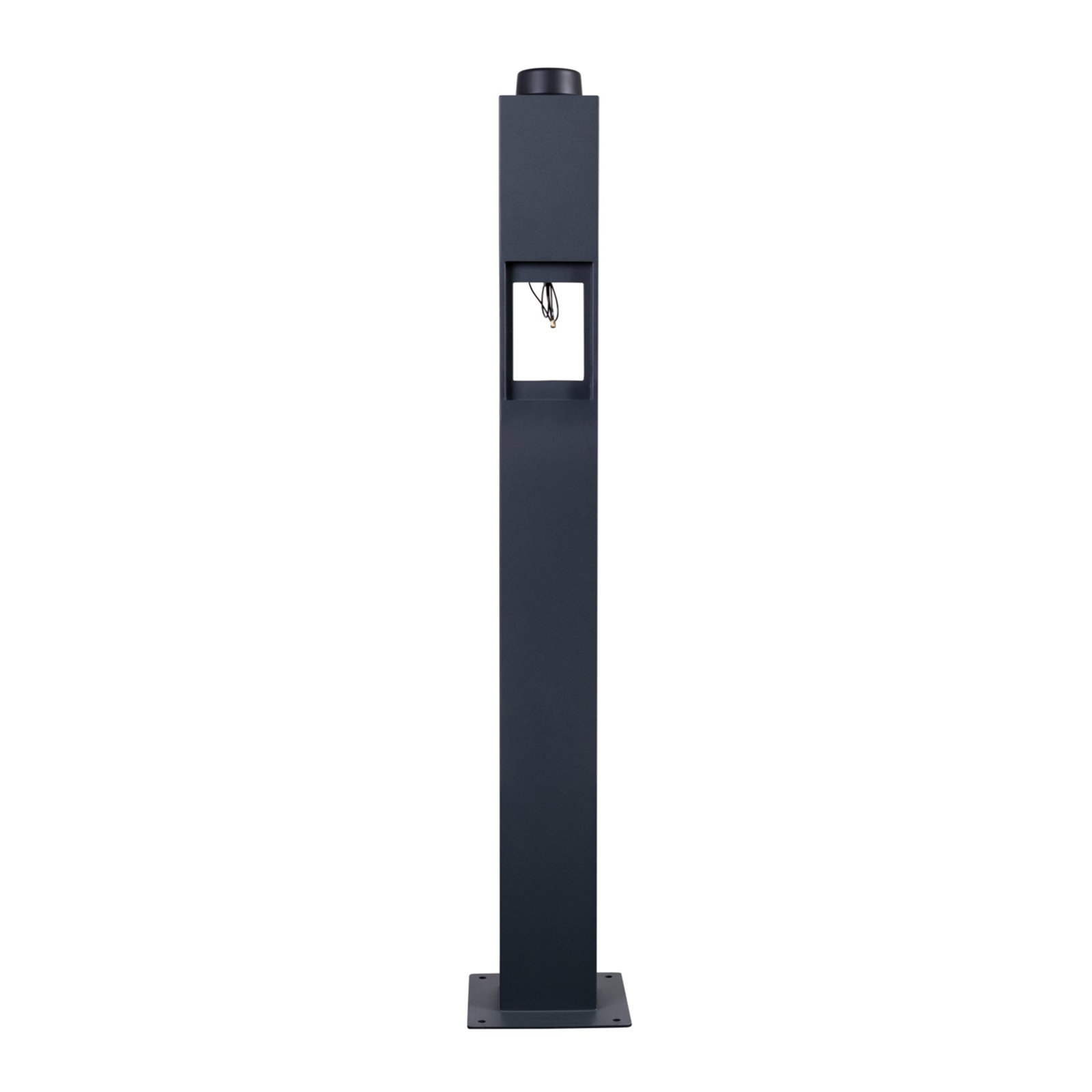
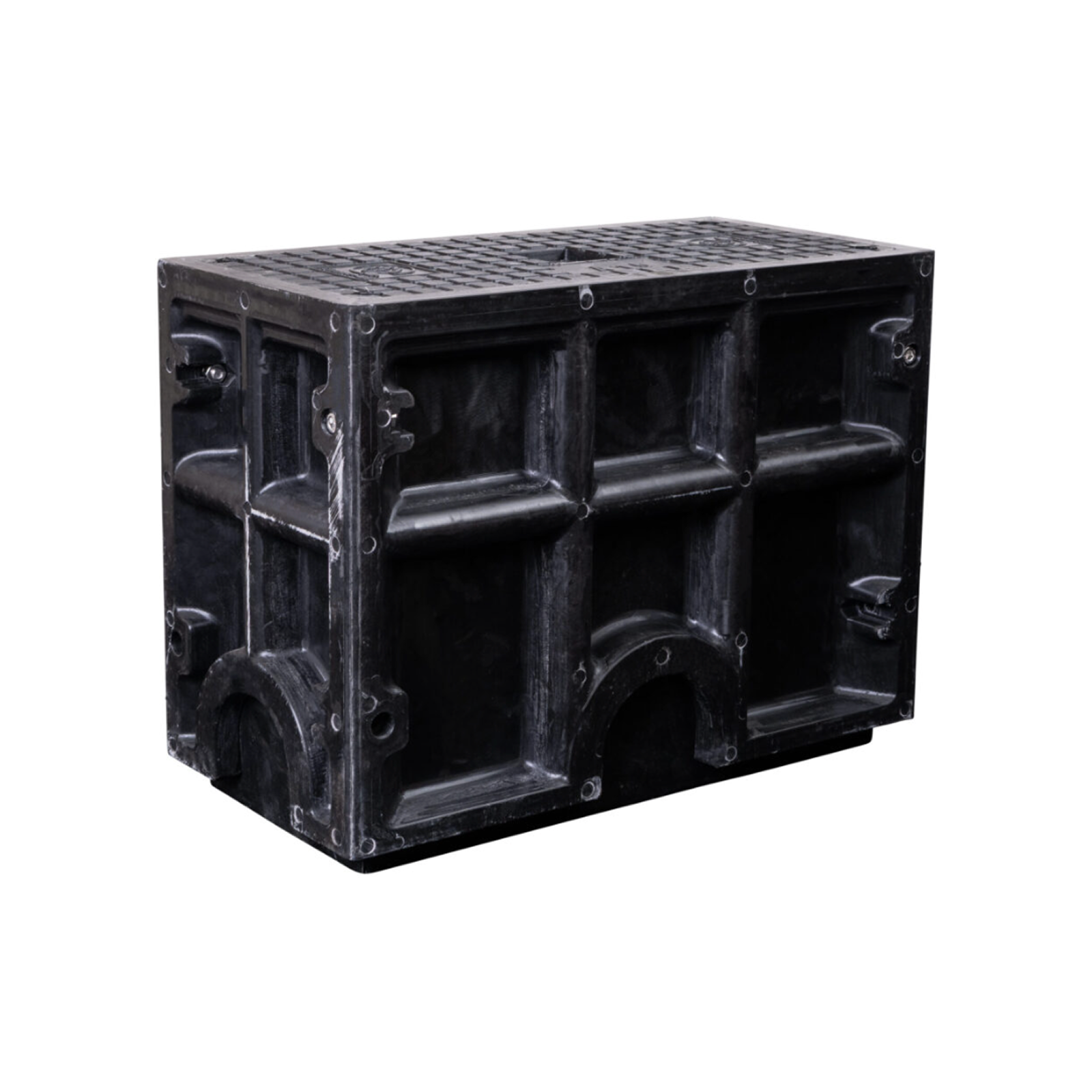
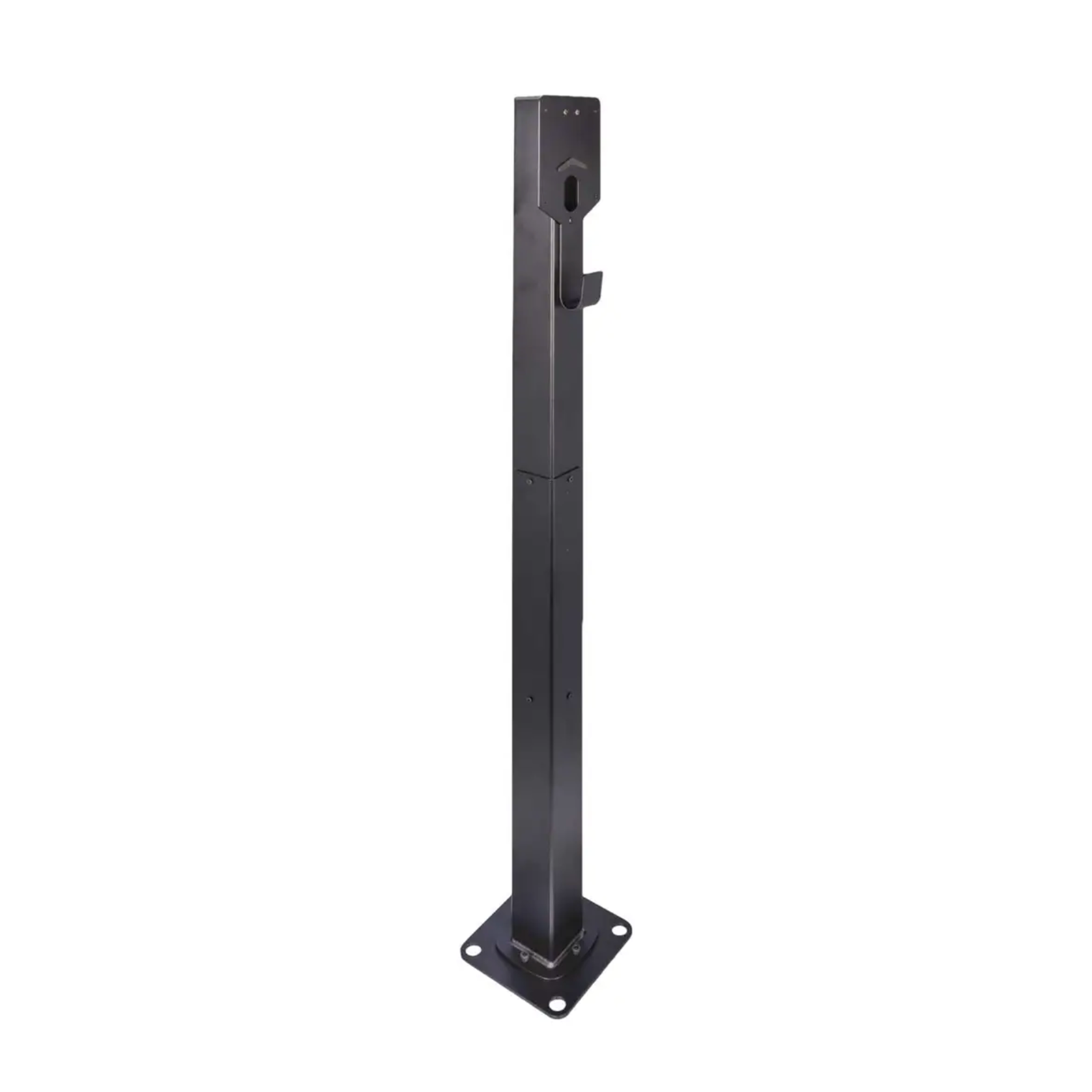
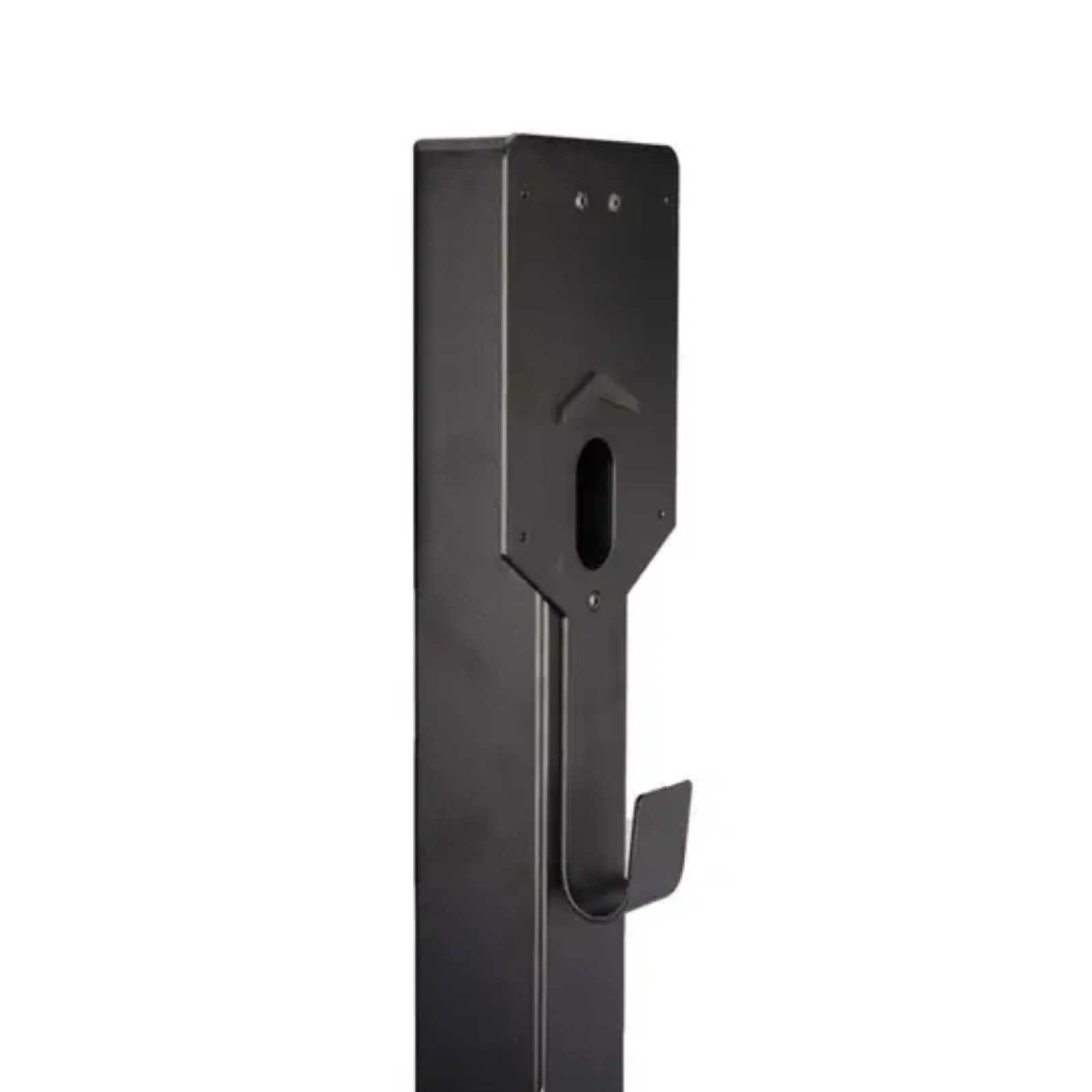
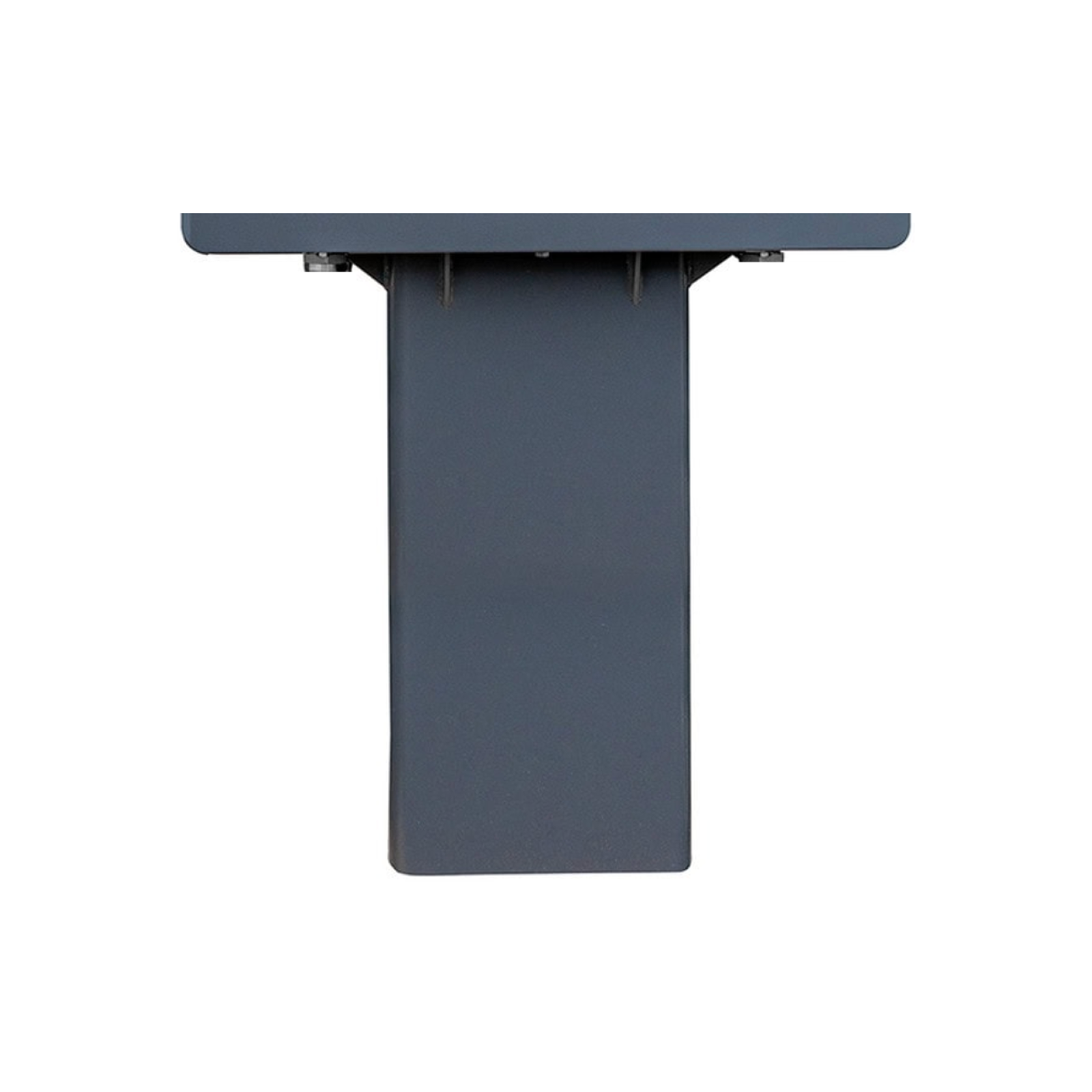
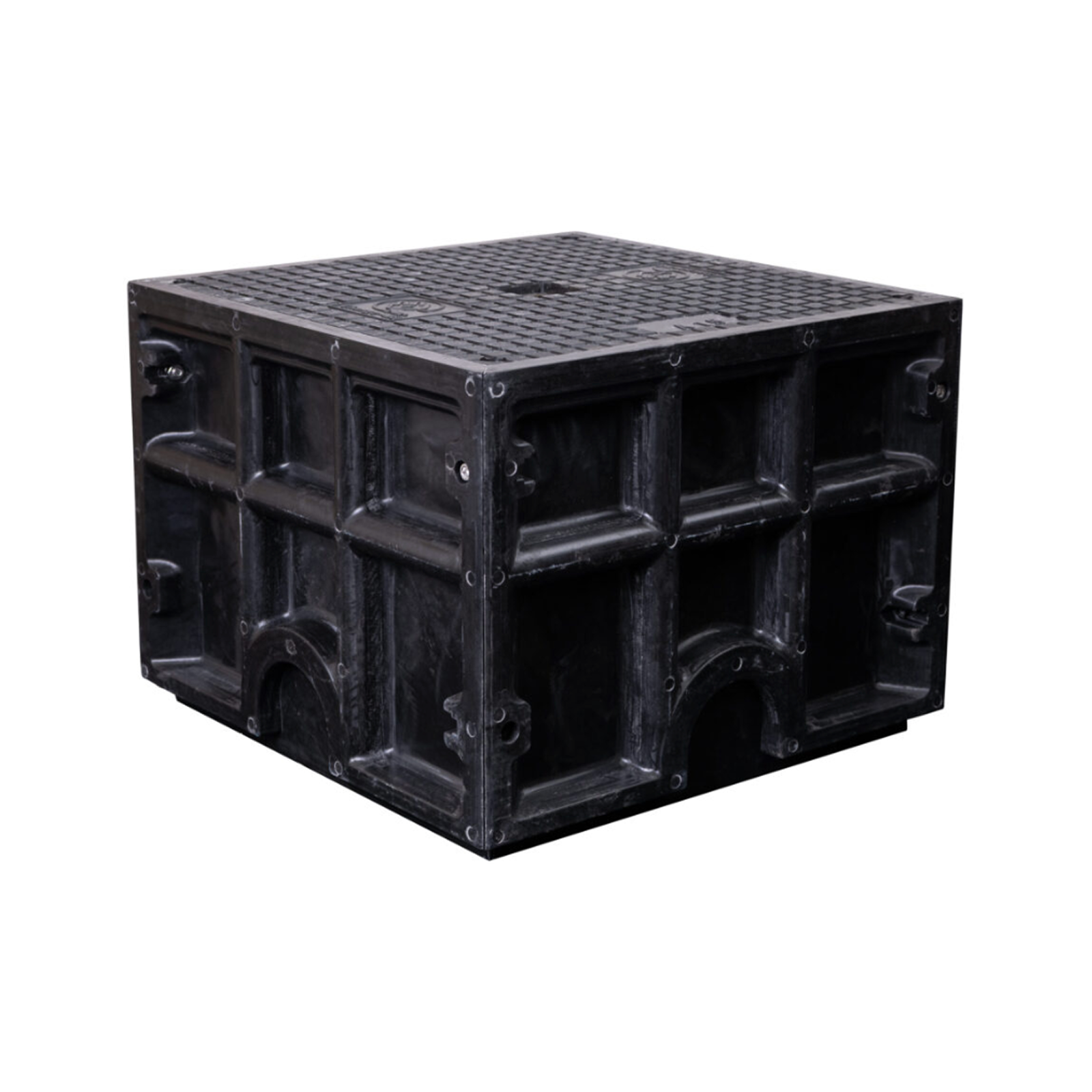
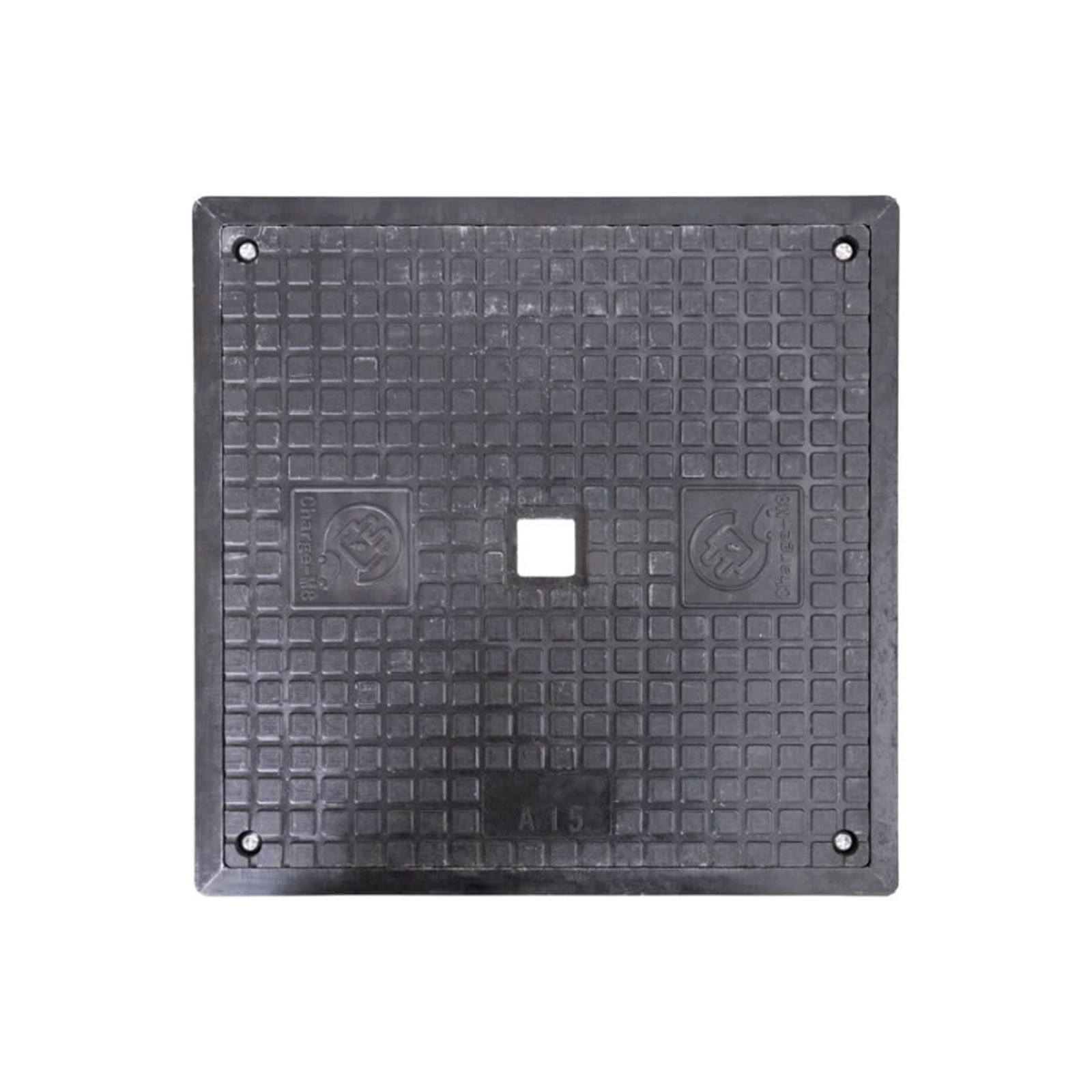
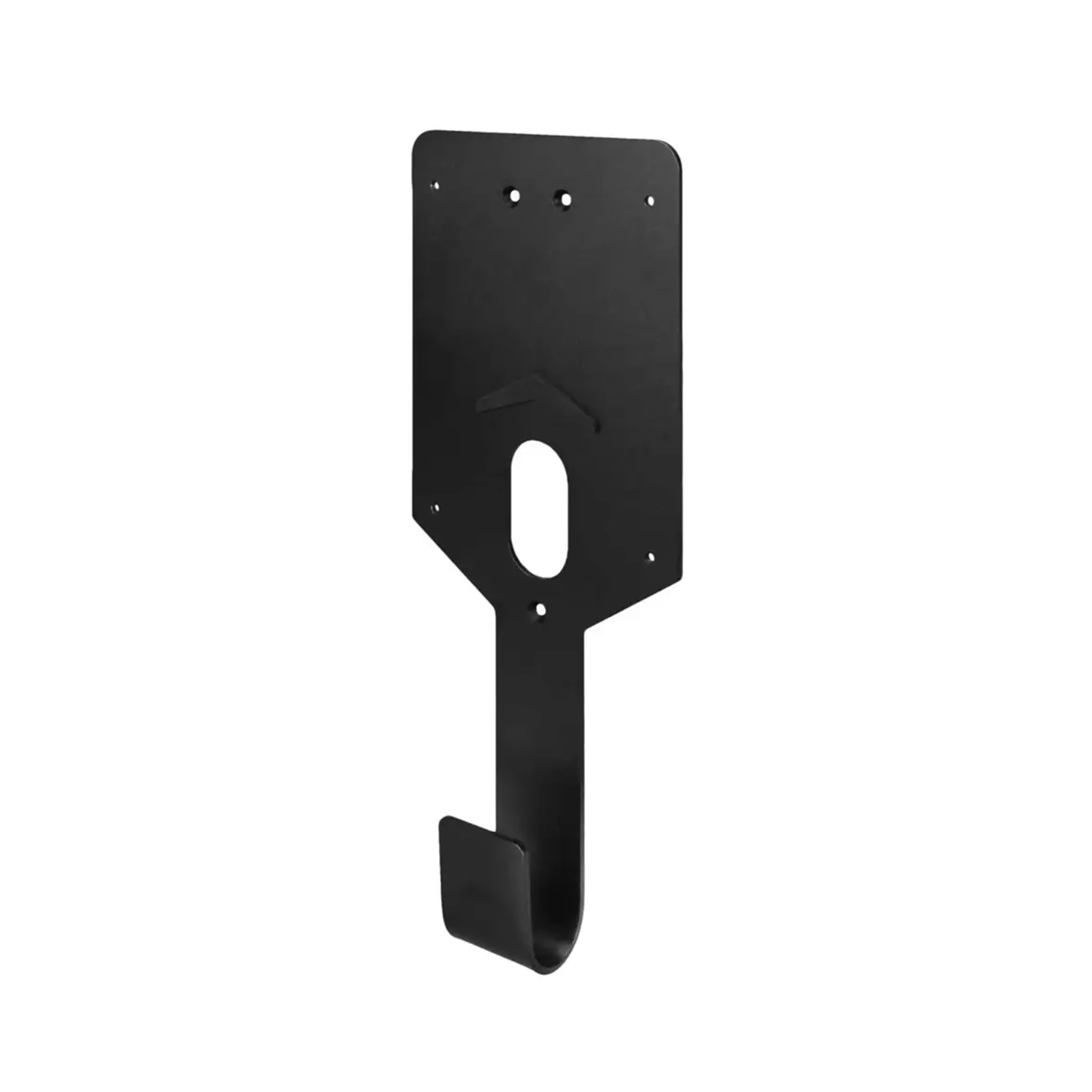
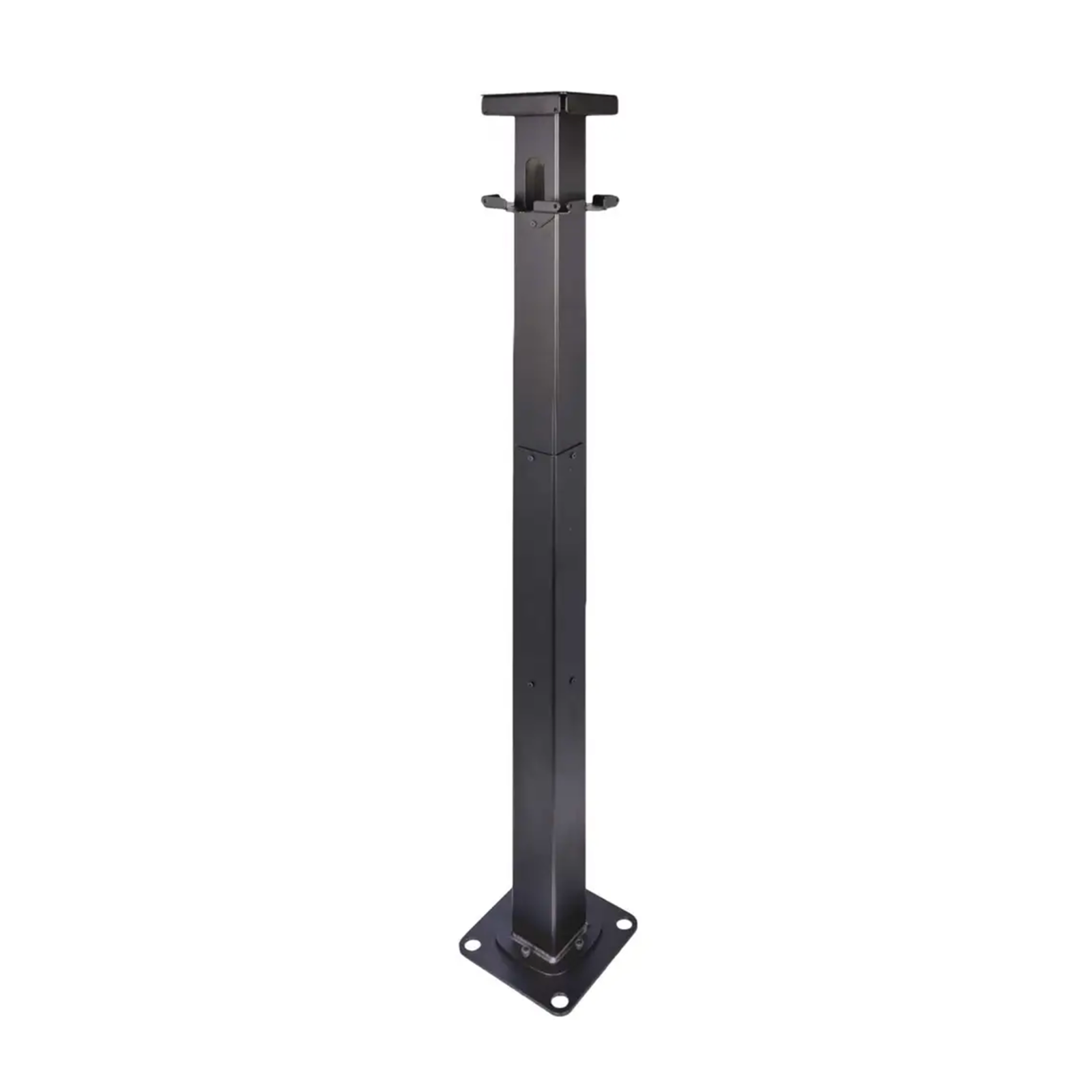
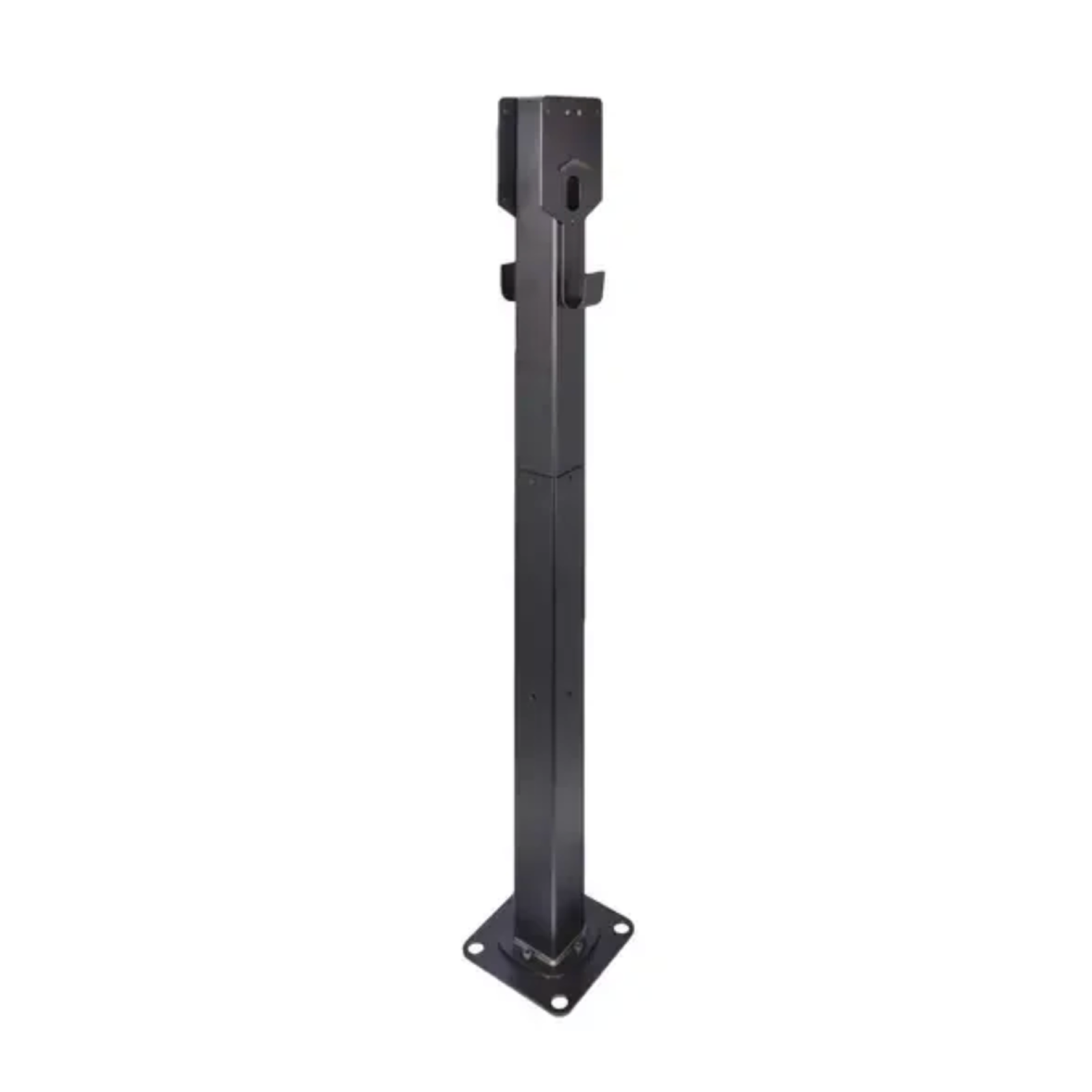
Three parts of the same installation. The post is the upright the charger sits on, from £240. The mounting plate is the charger-specific bracket that fixes the unit to the post, pre-drilled to that model's fixing centres, from £45. The foundation is what holds the post in the ground — either a poured concrete base or a pre-cast block such as the EV KUBE, from £275. A typical freestanding installation needs all three, though many posts are sold with a matching plate included and some come with the base.
When do I need a charging post instead of a wall mount?
Whenever the parking space is not against a suitable wall. That covers open driveways, gravel frontages, parking set back from the house, car park bays in the middle of a surface, and any situation where wall-mounting would mean a long visible cable run to reach the car. On commercial sites posts are usually the default rather than the exception, because bays rarely sit against a building. A post also puts the charger at a consistent working height and keeps it away from the wall of a property that may be listed, rendered or rented.
Which EV chargers fit these posts?
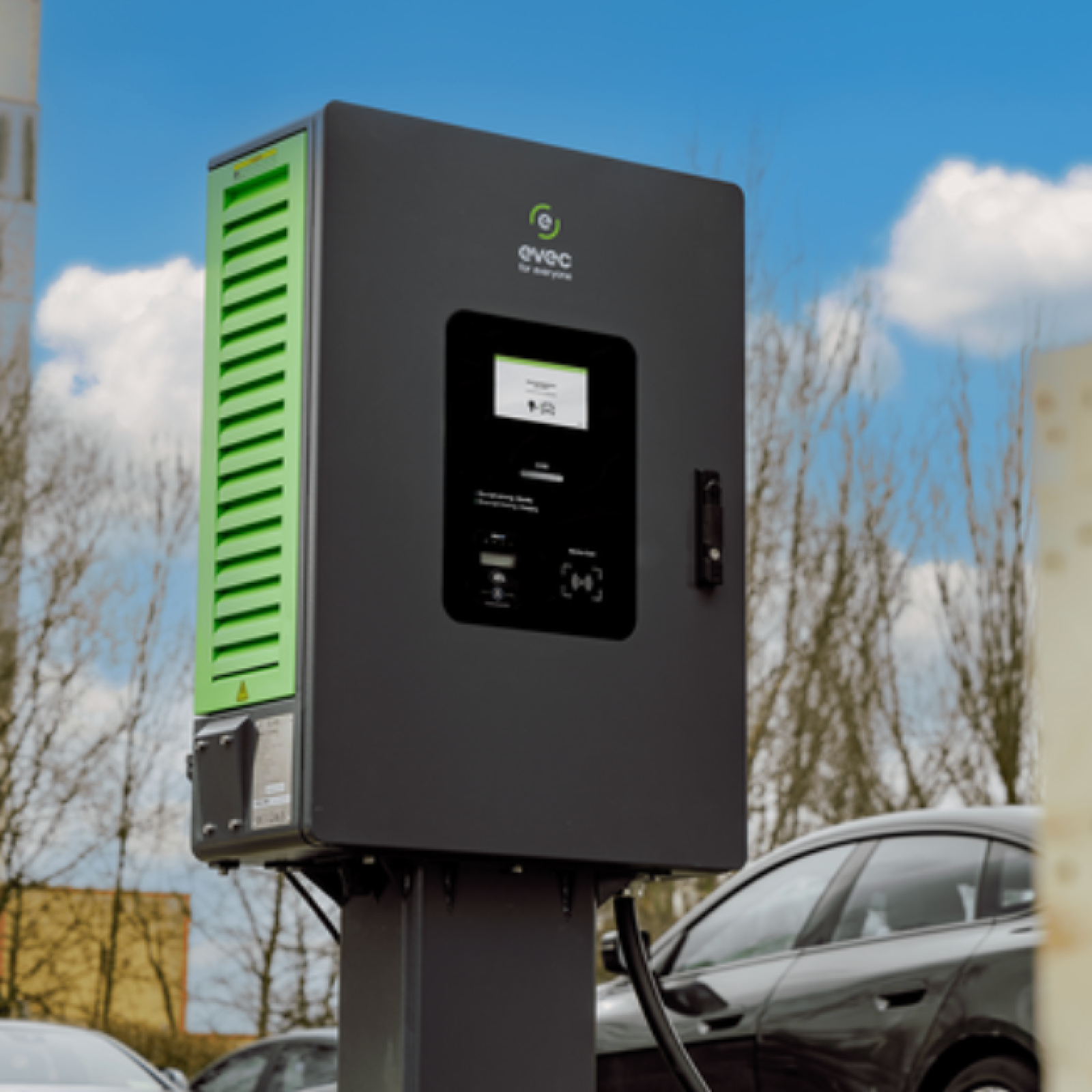
Most, with the right plate. The e.Park Multi Post range takes charger-specific plates for the Easee, Humax MX7, Hydra Cubus, Hypervolt Home 3 Pro, myenergi Zappi, NexBlue, Ohme e.Pod, Ohme Home Pro, Pod Point Solo 3S, Ratio io6, VCHRGD 7kW Pro, VCHRGD Dual 22kW, Zaptec Go and Zaptec Pro. Easee, Evec and NexBlue also have their own dedicated posts cut for their units. If your charger is not on the list, get in touch and we will check it before you order. See all mounting plates.
Can one post serve two parking bays?
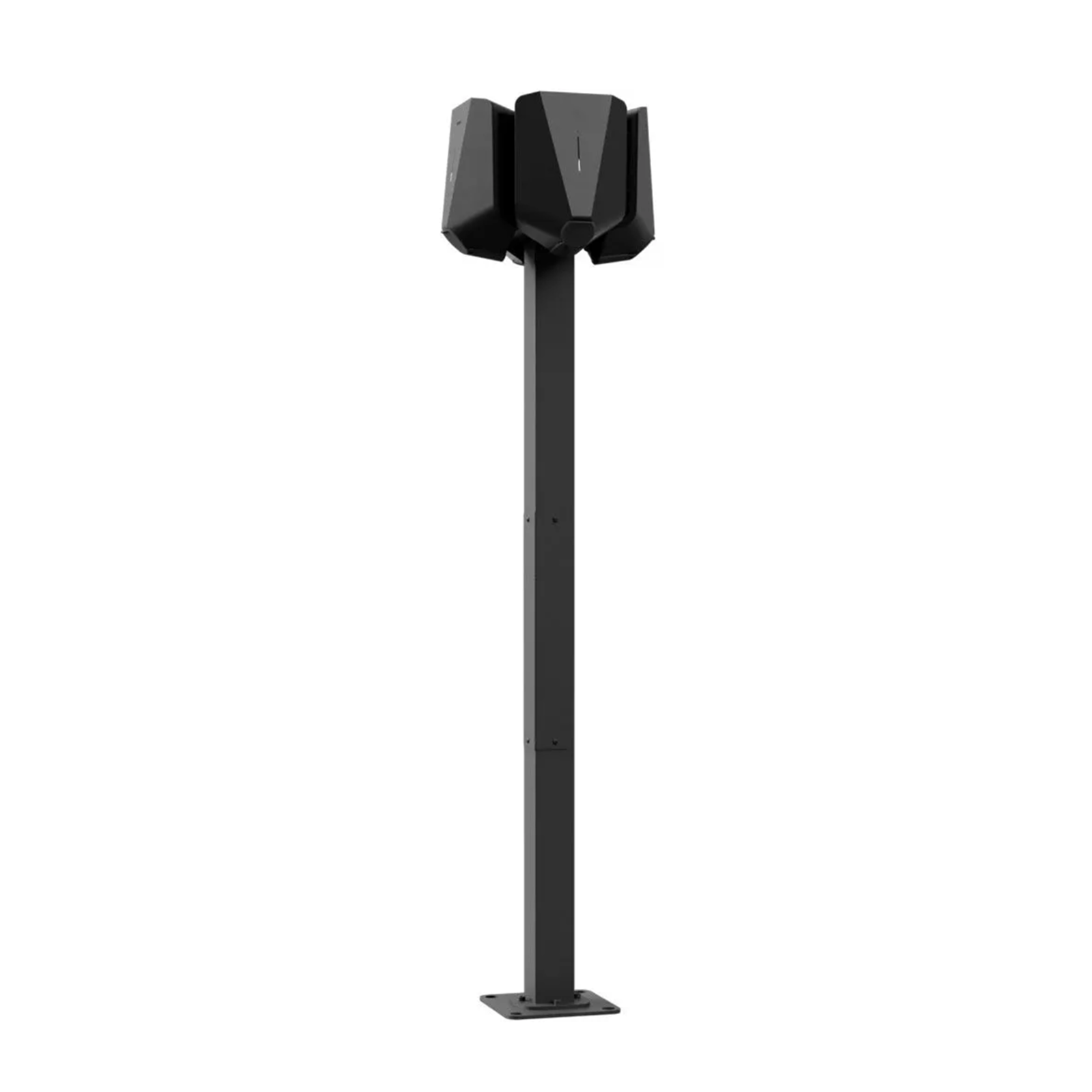
Yes, and it is usually the cheaper way to add capacity. Dual posts carry two chargers side by side from £265, and back-to-back posts carry one charger on each face so vehicles in adjacent bays each get their own — the e.Park NexBlue back-to-back is £355. Either way you pay for one set of groundworks, one cable run and one excavation rather than two, which on a commercial site is normally where most of the cost sits. The Easee 4-way quad post (£419) takes this further, serving four bays from one upright.
Do I need a concrete foundation?
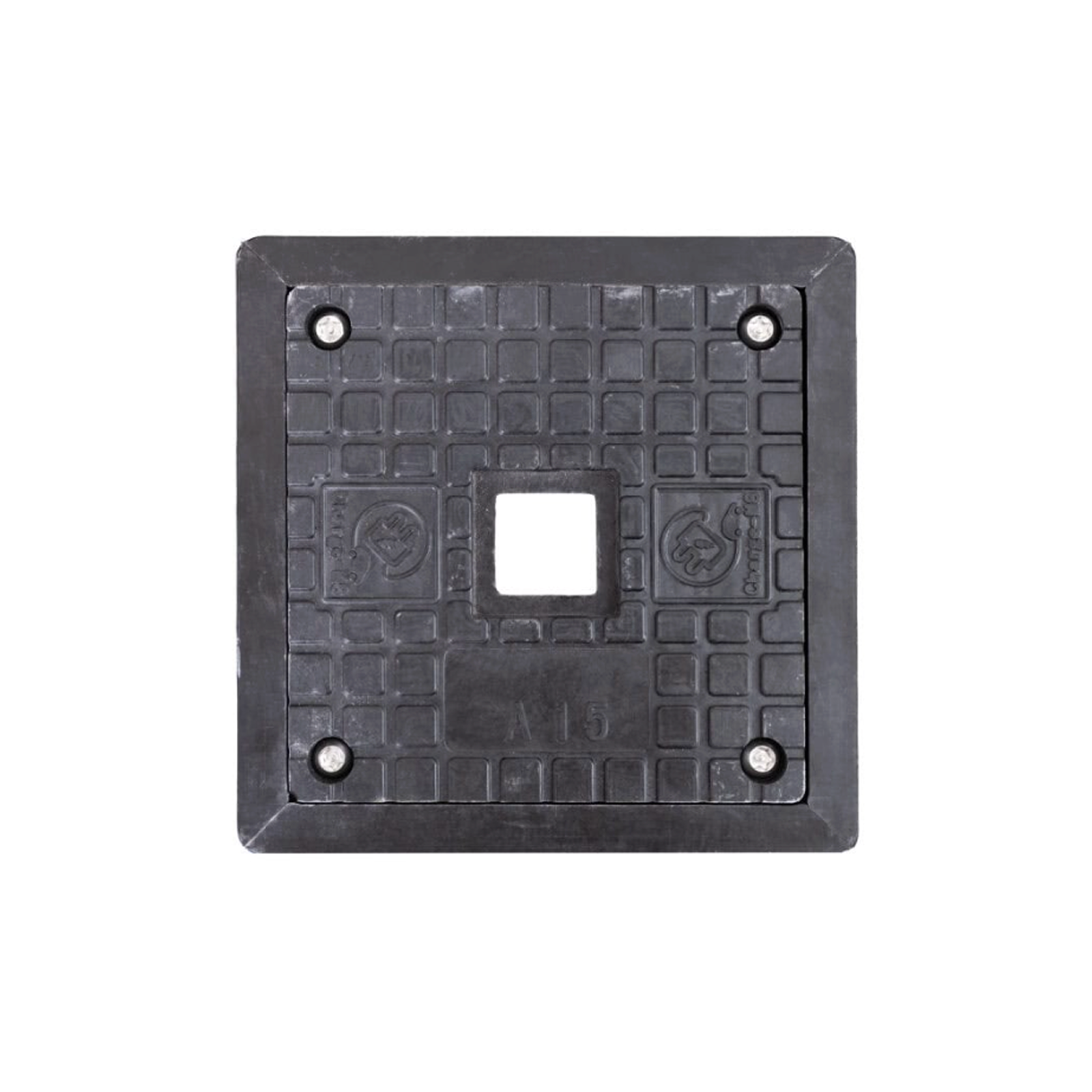
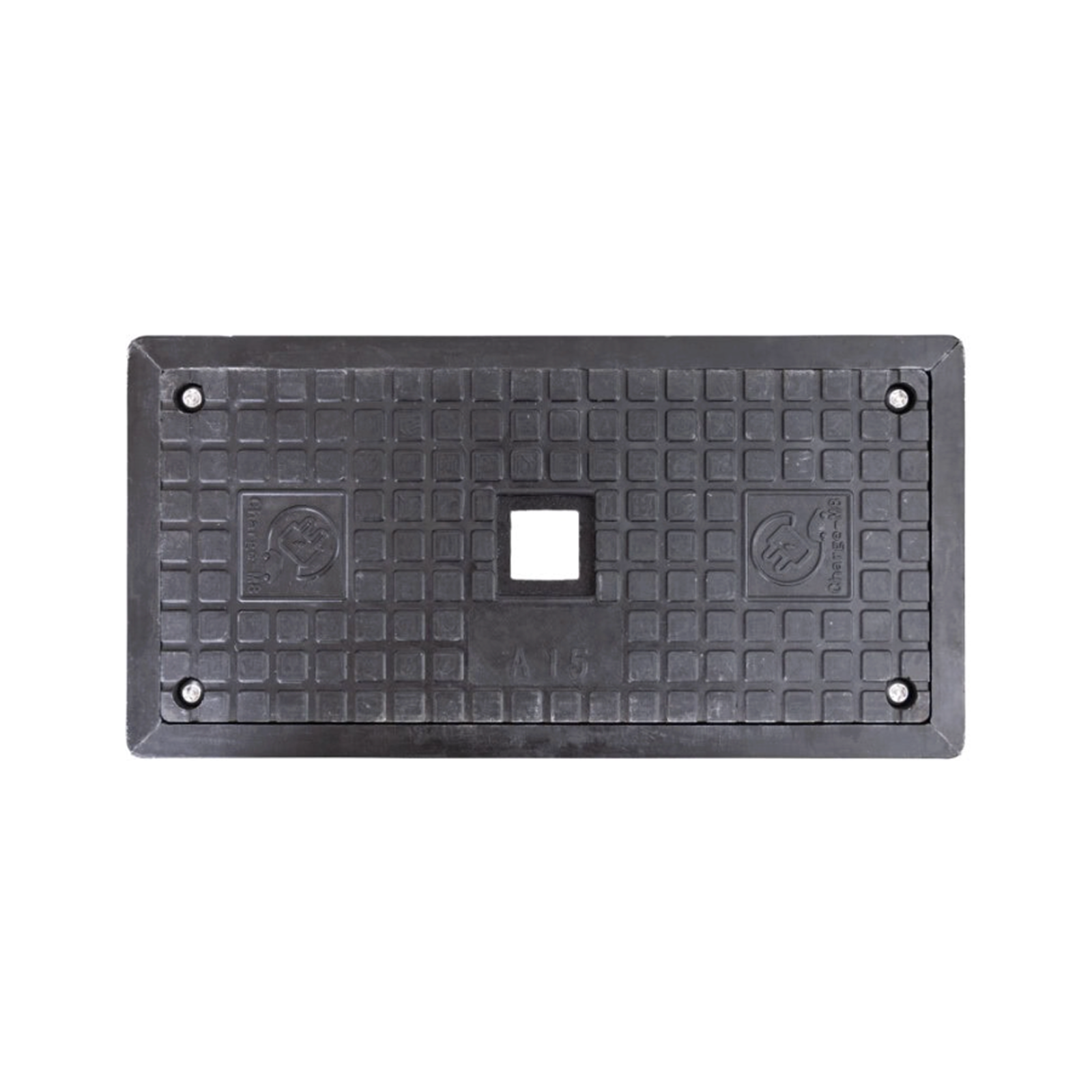
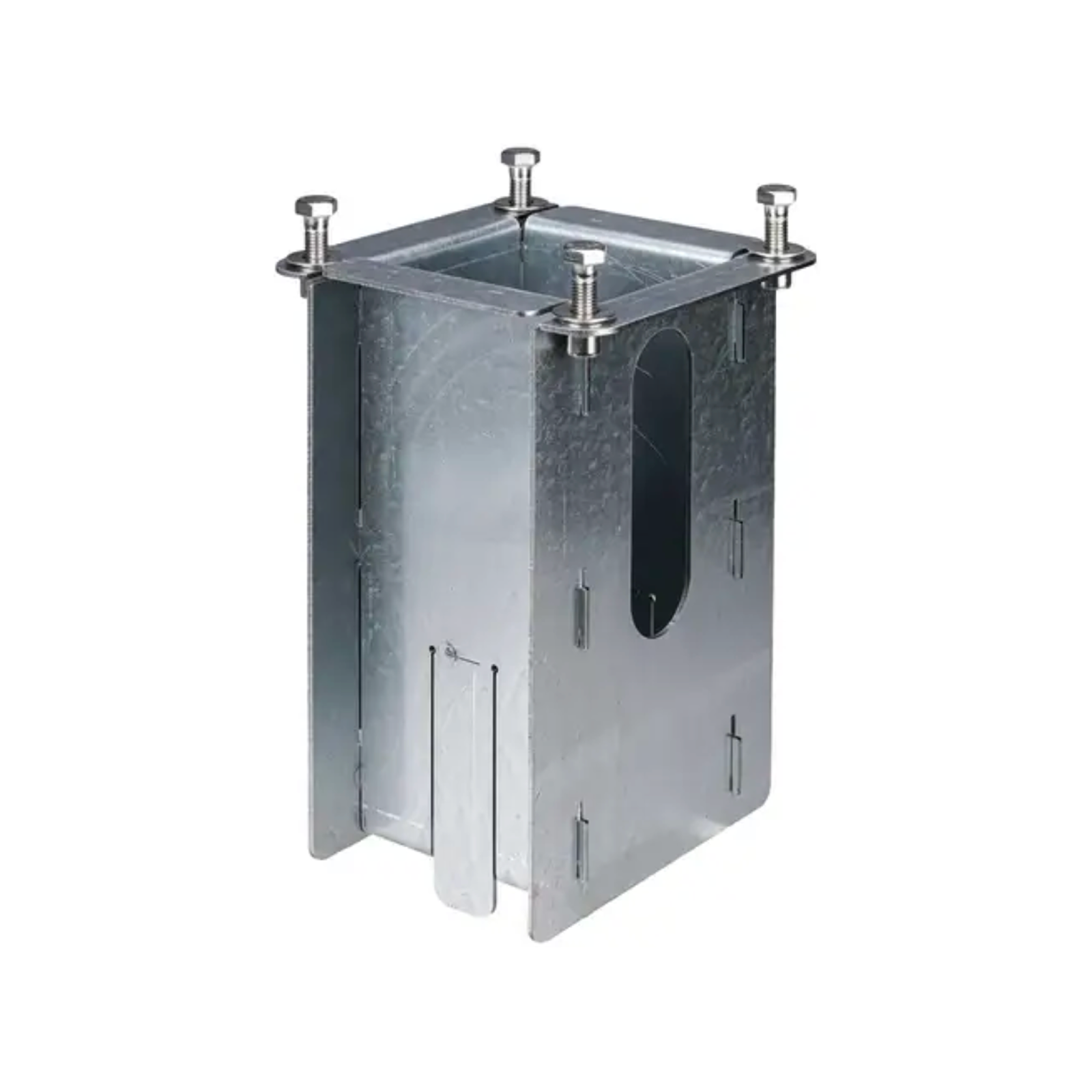
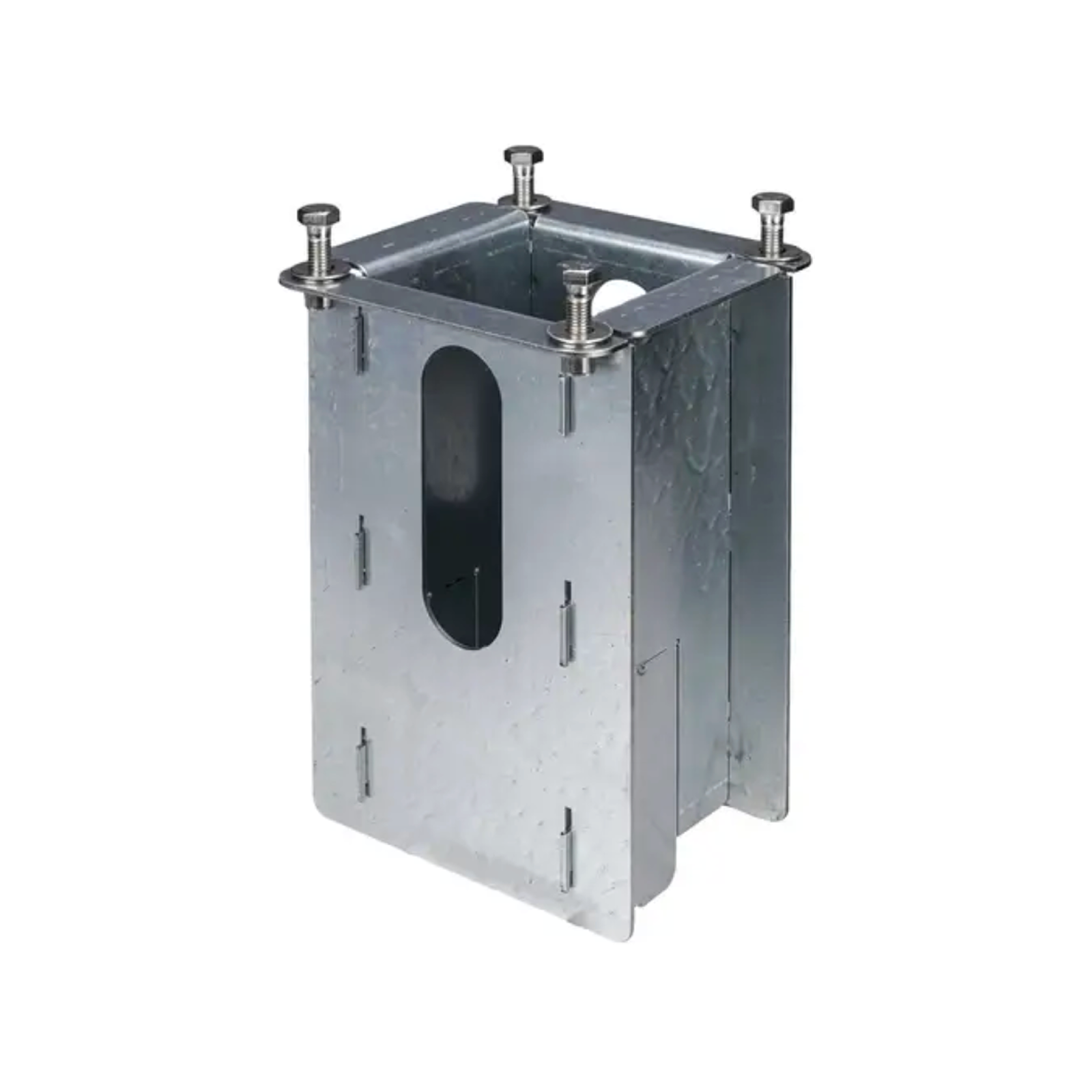
Not necessarily. Traditional installation sets the post into a poured concrete base, which is solid and cheap but has to cure before work continues. Pre-cast alternatives such as the EV KUBE (from £275) and the e.Park EVKube-based posts (from £245) bolt the post to a ready-made block instead, removing the wait and making every base consistent — which is why installers favour them on multi-bay jobs. Ground conditions and how quickly the site needs to be back in use usually decide it. See all post foundations.
How do I protect a post-mounted charger from vehicle damage?
A post in the middle of a bay is more exposed than a charger on a wall, so on any car park or shared parking area a crash barrier is worth specifying alongside it. Bolted to the hard standing in front of the post, it takes the impact of a mis-judged reverse instead of your equipment — £155 against the cost of replacing a charger and post. We stock the e.Park hooped barrier in black or yellow and the Evec CB01. See all crash barriers.